The Monster Walks(1932)
About The Monster Walks
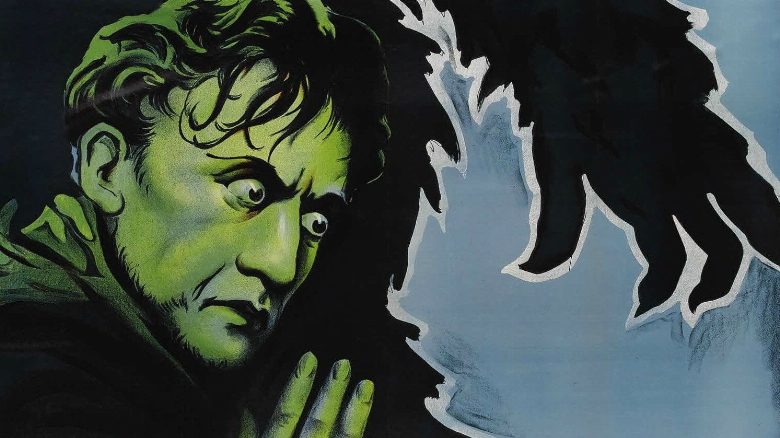
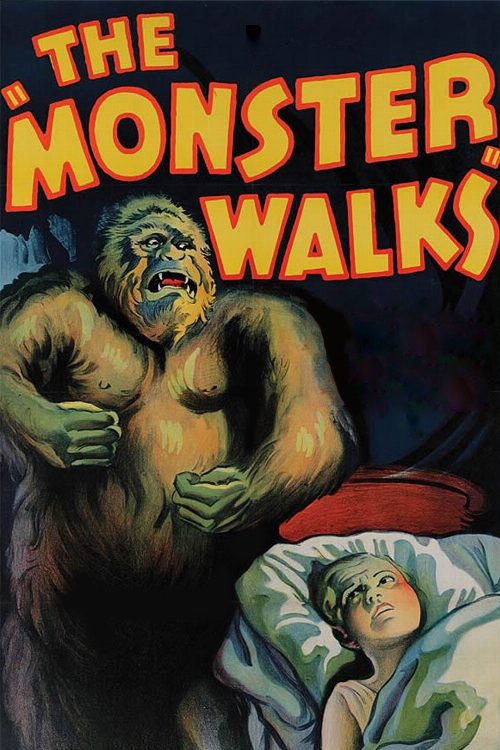
Ruth Earlton has come home to her ancestral mansion to claim her inheritance. Accompanied by her boyfriend, she discovers that her father died suddenly under suspicious circumstances. Now it's her turn, as her deranged and relentless uncle targets her for death with the help of his wife and son, plus a very unhappy ape.
Stepping into the shadowy corridors of the early thirties, The Monster Walks stands as a quintessential artifact of the pre-code era, capturing that specific moment when Hollywood was still experimenting with the boundaries of terror and suspense. While modern audiences raised on the fast-paced psychological thrillers of the Tamil or Telugu industries might find the pacing deliberate, there is a distinct charm in how this production utilizes claustrophobia and familial betrayal to build dread. The story focuses on a young woman returning to her family estate to settle an inheritance, only to find that the walls of her own home have become a gilded cage. It is a classic setup that mirrors the gothic sensibilities often found in suspenseful Indian cinema, where the threat is not just a supernatural entity but the greed of those living under the same roof.
The inclusion of an agitated primate as a secondary antagonist adds a layer of pulp fiction unpredictability that was quite fashionable for mystery films of that decade. Frank R. Strayer orchestrates a scenario where the protagonist is surrounded by a web of conspiracy involving her own relatives, turning the domestic sphere into a site of genuine peril. For viewers who appreciate the history of global cinema, this film serves as a fascinating look at the building blocks of the slasher and mystery genres. It avoids the heavy spectacle of contemporary blockbusters, opting instead for an atmosphere of unease that relies on the performances of actors like Mischa Auer and Martha Mattox to anchor the tension.
This film is ideally suited for cinephiles who enjoy dissecting the evolution of the thriller genre and those who find value in the stark black and white aesthetic of the early sound period. It lacks the grand musical numbers or high-octane stunts typical of current pan-Indian hits, yet it delivers a compact, focused narrative that centers on the fundamental fear of being hunted by one's own kin. The direction keeps the mystery tightly wound, ensuring that the audience remains skeptical of every supporting character until the very final act. By stripping away the modern reliance on digital effects, the film reminds us that the most effective horror often stems from the simple, terrifying realization that the people we trust most might be the ones plotting our demise. It remains a compelling curiosity for anyone tracking the lineage of suspense storytelling across decades and continents.