About The Music of Chance
Two men face the consequences of gambling after playing with men beyond their league.
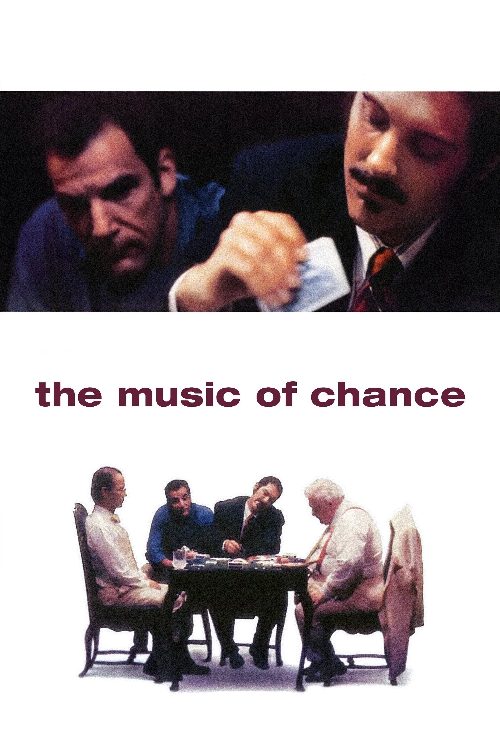
The cinematic landscape of the early nineties produced several atmospheric character studies that leaned heavily into the psychological toll of obsession, and The Music of Chance remains a particularly haunting entry in that lineage. Directed by Philip Haas and adapted from the Paul Auster novel, the film avoids the typical tropes of high-stakes thriller narratives, opting instead for a slow-burn exploration of existential entrapment. At its heart, the story follows a drifter who encounters a professional gambler, leading the pair into a high-risk poker match against two eccentric millionaires. What begins as a classic tale of fortune and hubris quickly spirals into a surreal nightmare that forces the protagonists to confront the fragility of their own autonomy. It is a stark departure from the fast-paced genre cinema that dominates current global markets, offering a meditative look at how one poor decision can fundamentally alter the trajectory of a life.
For fans of world cinema, particularly those who appreciate the deliberate pacing found in contemporary Malayalam or independent Indian dramas, this film offers a masterclass in tension built through isolation. The narrative structure mirrors the feeling of being trapped in a Kafkaesque loop, a theme that resonates deeply with audiences who value philosophical weight over explosive action sequences. Mandy Patinkin delivers a nuanced performance that captures the transition from reckless optimism to crushing helplessness with remarkable subtlety. Alongside him, the presence of veteran actors like Charles Durning and Joel Grey adds an eerie gravity to the proceedings, grounding the film’s more abstract concepts in tangible, menacing performances. It is a production that demands patience from its viewers, rewarding them with an intellectual puzzle rather than straightforward resolution.
This piece of American independent cinema serves as a reminder of how effectively a confined setting can amplify the desperation of its characters. While modern audiences might be accustomed to the larger-than-life spectacle of major regional industries, there is an enduring appeal to a story that focuses on the quiet, devastating power of human ego. The film is perfectly suited for viewers who enjoy literature-based dramas that prioritize mood and subtext over traditional plot progression. By stripping away the glamour often associated with card games and wealth, the director reveals a stark reality where the illusion of choice is the ultimate vanity. It stands as a compelling study of accountability and the unpredictable nature of fate, remaining just as provocative today as it was upon its original release.