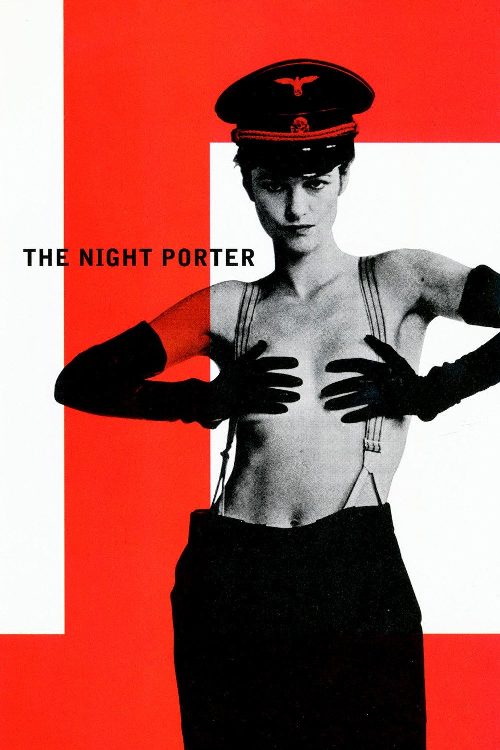
About The Night Porter
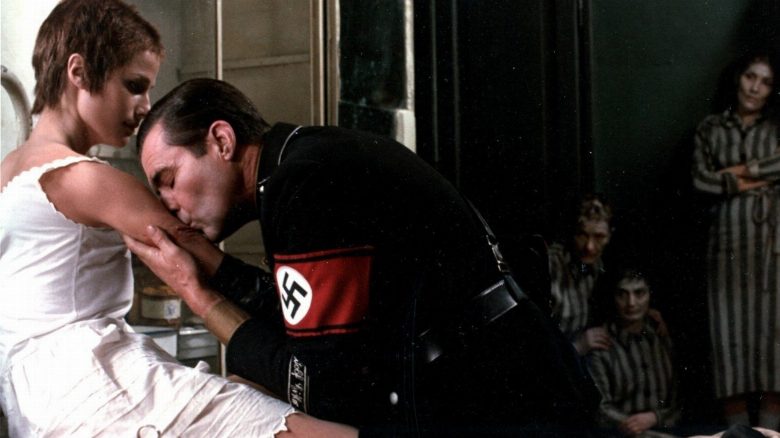
A concentration camp survivor discovers her former torturer and lover working as a porter at a hotel in postwar Vienna. When the couple attempt to re-create their sadomasochistic relationship, his former SS comrades begin to stalk them.
Few cinematic experiences challenge the boundaries of morality and memory as intensely as the 1974 Italian drama The Night Porter. Set against the backdrop of a cold, reconstruction-era Vienna, the narrative delves into the haunting intersection of trauma and obsession. Rather than offering a conventional historical account, the film functions as a psychological labyrinth, examining how the scars of the past can distort human connections in the present. By focusing on the volatile reunion between a former prisoner and her captor, the director Liliana Cavani forces the audience to confront uncomfortable questions about power dynamics and the lingering shadows of history. It remains a polarizing piece of world cinema, distinguished by its provocative premise and a refusal to provide easy moral resolutions.
For viewers accustomed to the emotional depth found in modern Indian arthouse cinema, such as the gritty realism of recent Malayalam thrillers or the complex psychological dramas emerging from the Tamil independent scene, this film offers a similar commitment to exploring dark, human impulses. While the cultural context is rooted in the aftermath of European fascism, its thematic exploration of how individuals attempt to reclaim autonomy in the wake of systemic abuse echoes universal concerns found in global prestige dramas. The film is specifically designed for those who appreciate cinema that functions as a provocative study of the human condition rather than simple entertainment. It requires a patient viewer willing to engage with aesthetic choices that prioritize atmosphere and internal tension over traditional plot progression.
The production stands out for its bold visual language and the raw, uncompromising performances of its lead actors. By eschewing the typical tropes of war films, the storytelling shifts the focus entirely onto the claustrophobic confinement of the hotel, turning a place of transit into a prison of the psyche. Its legacy is tied to this willingness to traverse taboo territory, making it a landmark for students of film history and those interested in how directors utilize the medium to map the darkest corners of human relationships. As a piece of classic European avant-garde, it retains a distinct power to provoke debate, serving as a stark reminder that the echoes of historical atrocities are rarely silenced, continuing to reverberate in the personal lives of those who survive them. For anyone seeking a film that refuses to look away from the complexities of guilt and desire, this remains a foundational viewing experience.
Cast(22)











Crew
Editor
Art Direction
Set Decoration
Sound Mixer
Sound Effects
Sound Designer
Screenplay
Story
Director of Photography
Similar Films