About The Only Game in Town
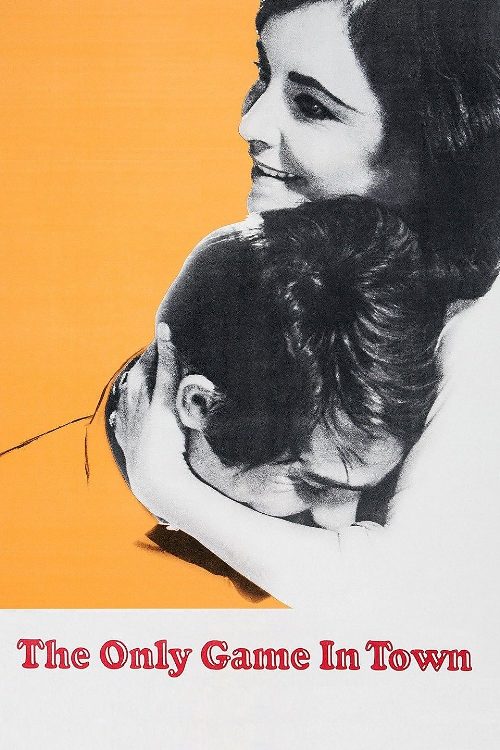
Fran walks into a piano bar for pizza. She comes back home with Joe, the piano player. Joe plans on winning $5,000 and leave Las Vegas. Fran waits for something else. Meanwhile, he moves in with her.
George Stevens, a filmmaker celebrated for his grand visual tapestries and emotional depth, took a surprising turn toward the intimate with his final feature, The Only Game in Town. Set against the neon-soaked backdrop of Las Vegas, the film captures a transient moment in the lives of two lonely souls who find themselves orbiting one another in a city defined by fleeting luck and hard truths. Unlike the sweeping epics that often defined the landscape of late sixties American cinema, this production strips away the spectacle to focus squarely on the friction between a weary lounge pianist and a woman seeking stability in a world of rolls and bets. It is a character study that feels remarkably grounded, emphasizing the quiet desperation that exists just beyond the reach of the slot machines and bright lights.
The chemistry between Elizabeth Taylor and Warren Beatty provides the essential pulse of the narrative, grounding the script in a palpable sense of exhaustion and yearning. Taylor delivers a performance that feels lived-in, portraying a woman who has endured enough disappointment to be wary of the siren call of a new romance. Beatty, meanwhile, embodies the restless spirit of a man constantly looking for the next exit strategy, mirroring the transient nature of the setting itself. For audiences accustomed to the high-stakes thrillers or glossy romances of that era, this film offers a refreshing, albeit melancholy, departure. It explores the tension between the desire to start over and the paralyzing fear of repeating the same mistakes, a theme that resonates across cultures, including the intense emotional dramas frequently explored in contemporary Indian cinema.
This picture is specifically designed for viewers who appreciate character-driven storytelling where the dialogue carries as much weight as the plot developments. It serves as a fascinating time capsule of the American gambling capital before it transformed into the corporate behemoth seen today, offering a glimpse into the localized culture of the lounge circuit. While it may lack the rapid-fire pacing that modern viewers often expect, its strength lies in its patience and its refusal to offer easy resolutions for its protagonists. It remains a poignant look at how two people, despite their best efforts to remain detached, find that human connection is often the only gamble worth taking. Those who admire the understated tension found in regional Indian dramas that focus on urban isolation will likely find a familiar, if distinct, rhythm here.