The Outer Darkness(2015)
About The Outer Darkness
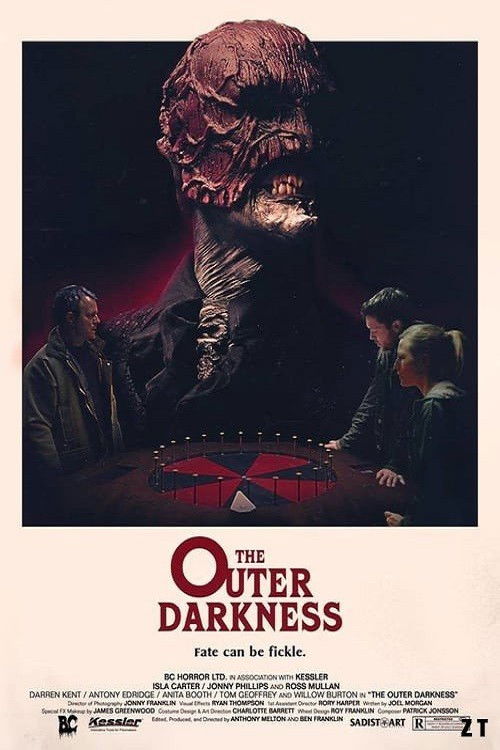
On Friday evenings in the hall of St Barabbas’ Church meets a group led by Father Jonathan Crowe. Together they share their stories – tales of strange occurrences, horrific events and bizarre encounters that have scarred their lives. Tonight, a young woman called Jenny will share her story of her experience with a game of chance that sealed the fate of her family…
The Outer Darkness arrives as a chilling exercise in minimalist horror, stripping away the excesses of modern supernatural cinema to focus on the raw, unsettling power of shared trauma. Set within the claustrophobic confines of a church hall, the film centers on an intimate support group where individuals gather to recount their most harrowing brushes with the unknown. By framing the narrative through a series of interconnected testimonies, the production taps into the ancient tradition of campfire storytelling, inviting the audience to become an unofficial member of Father Jonathan Crowes eclectic congregation. This structural choice effectively builds tension through verbal suspense rather than relying heavily on expensive visual effects, a move that distinguishes it from the typical jump-scare-heavy offerings of its era.
While the global horror landscape in 2015 was dominated by high-concept supernatural franchises, this film carves out a niche by grounding its terrors in the domestic and the personal. The narrative hook involving a seemingly innocuous game of chance that dismantles a family structure speaks to a universal fear of how quickly stability can dissolve into chaos. For viewers who appreciate the slow-burn psychological dread found in anthology-style storytelling or stage-bound dramas, the film offers a compelling, character-driven experience. The performances, particularly from Ross Mullan and Isla Carter, are essential here, as the weight of the film rests almost entirely on the actors ability to sell the authenticity of their character’s psychological scars.
The project highlights a fascinating shift toward contained, character-focused indie horror that prioritizes atmosphere over spectacle. It functions as a somber meditation on the lingering impact of unexplainable encounters, suggesting that the most frightening ghosts are often the memories we cannot escape. Film enthusiasts who follow the evolution of the genre will recognize this as a precursor to the wave of elevated horror that would soon gain mainstream traction. By focusing on the vulnerability of its protagonists, the movie avoids the trap of becoming a generic slasher flick. Instead, it positions itself as a somber look at how individuals process the inexplicable, making it a perfect recommendation for fans of cerebral supernatural stories who prefer their chills served with a side of existential unease. Whether or not one is a regular consumer of horror, the film stands out as a stark, effective piece of storytelling that lingers in the mind long after the final confession is uttered.