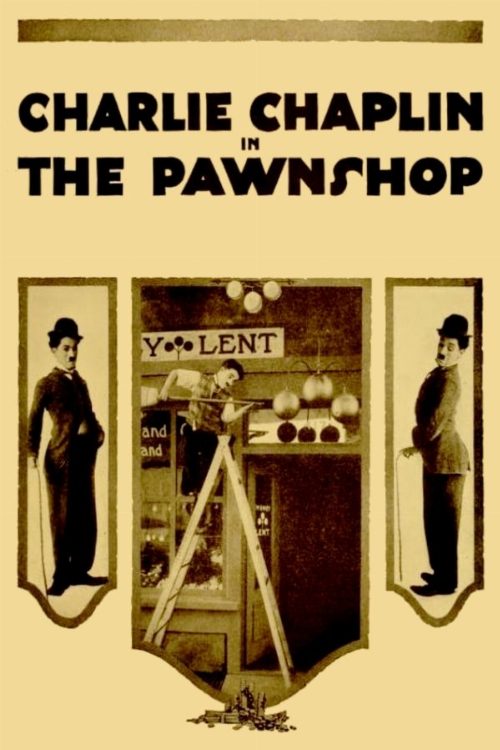
The Pawnshop(1916)
About The Pawnshop
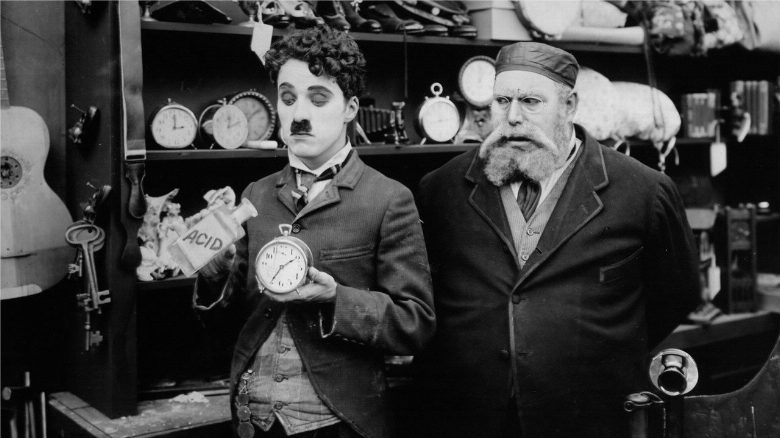
A pawnbroker's assistant deals with his grumpy boss, his annoying co-worker and some eccentric customers as he flirts with the pawnbroker's daughter, until a perfidious crook with bad intentions arrives at the pawnshop.
Charlie Chaplin remains a towering architect of physical comedy, and his 1916 short film The Pawnshop serves as a masterclass in turning mundane retail labor into a canvas for surreal slapstick. While modern audiences often associate silent cinema with melodrama, this production highlights the kinetic, almost choreographic energy that defined the early days of Hollywood. By grounding the narrative in the claustrophobic setting of a cluttered shop, Chaplin transforms everyday objects like alarm clocks and jewelry into volatile co-stars. It is a fascinating look at the era before feature-length epics became the industry standard, proving that a single room and a handful of talented performers were enough to sustain a compelling comedic arc.
For fans of global cinema who appreciate the roots of visual storytelling, this film offers a clear lineage to the physical comedy tropes still utilized in contemporary Indian industries. Whether one looks at the comedic timing found in classic Telugu capers or the slapstick elements in mainstream Hindi entertainers, the DNA of The Pawnshop is strikingly evident. The film focuses on the friction between a well-meaning but chaotic employee and his irritable employer, a dynamic that remains a staple of workplace humor across all languages. It is particularly engaging to see how the production balances the romantic subplot involving the boss's daughter with the looming threat of a criminal intrusion, creating a tension that keeps the viewer invested despite the absence of spoken dialogue.
This work is essential viewing for anyone interested in the evolution of the underdog protagonist, a character type that resonates deeply with audiences today. Chaplin excels at playing the outsider who manages to maintain a sense of dignity amidst professional catastrophe. His ability to find humor in social awkwardness and petty rivalry makes the film feel surprisingly current even a century later. Those who enjoy character-driven comedies where the environment acts as a secondary antagonist will find much to admire here. As the industry moves toward increasingly complex digital effects, revisiting this piece reminds us that the heart of cinema has always been the performer's ability to communicate human emotion through movement and expression. It stands as a testament to the idea that a simple premise, executed with impeccable timing, can transcend the barriers of time and geography to remain genuinely funny for any generation of moviegoers.
Cast(8)