About The Poor Boob
When he loses both his father’s canning factory and his girl “Tiny” to Stephen Douglas modest Simpson Hightower goes to work in a New York provisions office along with stenographer Hope and office boy Jimmy. To impress the Danish consul who is proposing a large contract Hope and Jimmy persuade Simpson to return to his hometown posing as a successful businessman accompanied by his secretary "Pep" and valet Jimmy. It works! Simpson manages to get the Danish contract, buy his factory back and realize Tiny’s worthlessness while recognizing his love for "Pep."
Silent film history often gets reduced to grand epics or slapstick chases, yet Donald Crisp found a sweet spot in The Poor Boob, a 1919 comedy that captures the quintessential American obsession with social mobility and the art of the hustle. Centered on the unassuming Simpson Hightower, the narrative plays with the classic trope of the underdog who reinvents himself to reclaim what was lost. While the film belongs to a bygone era of early Hollywood studio productions, its core conflict—the pressure to project success to secure professional validation—feels surprisingly contemporary. For modern viewers, the film serves as a charming time capsule of how the silent era utilized physical humor to explore the anxieties of the working class, particularly the scramble to balance personal integrity against the demands of a high stakes corporate environment.
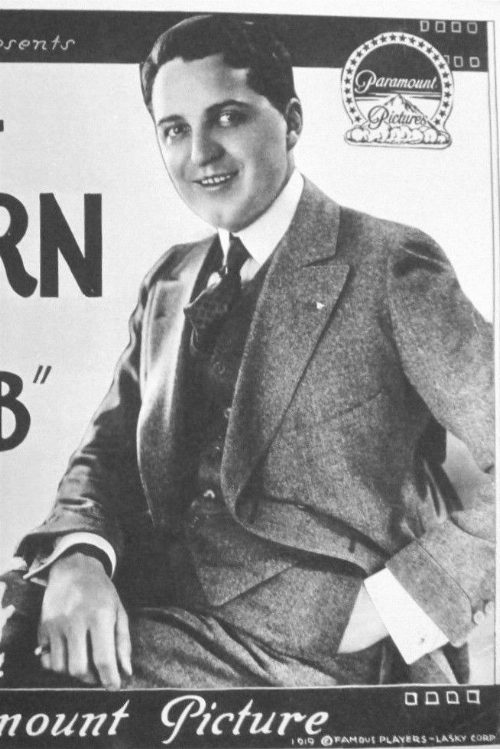
What distinguishes this feature from other lighthearted comedies of the late 1910s is its focus on the collaborative nature of the ruse. Rather than a singular protagonist acting in isolation, the plot relies on a small circle of office workers who essentially act as stage managers for their friend’s transformation. This ensemble dynamic provides a refreshing layer of camaraderie, moving the story beyond a simple vanity project. Raymond Hatton carries the lead with a blend of earnestness and vulnerability that makes his character’s inevitable evolution toward self-discovery feel earned. The film is perfectly suited for those who appreciate the foundational mechanics of screen comedy, where subtle gestures and well-timed facial expressions were the primary tools for establishing emotional stakes.
For audiences today, The Poor Boob offers more than just historical curiosity; it provides a window into the evolution of the romantic comedy genre. By contrasting the superficial allure of his former flame with the grounded support of his office peers, the story highlights a timeless lesson about recognizing genuine value over outward appearances. Donald Crisp, who would go on to be a prolific figure in the industry, shows a steady hand in balancing the farcical elements of the deception with the character-driven growth that keeps the audience invested. Whether you are a fan of early cinema or someone interested in the long history of the rags-to-riches narrative, this production stands as a clever example of how silent films could effectively blend workplace satire with heartfelt romance. It remains a notable entry for anyone looking to understand the roots of the charming, high-stakes comedies that continue to dominate screens across the globe.
Cast(12)