About The Poughkeepsie Tapes
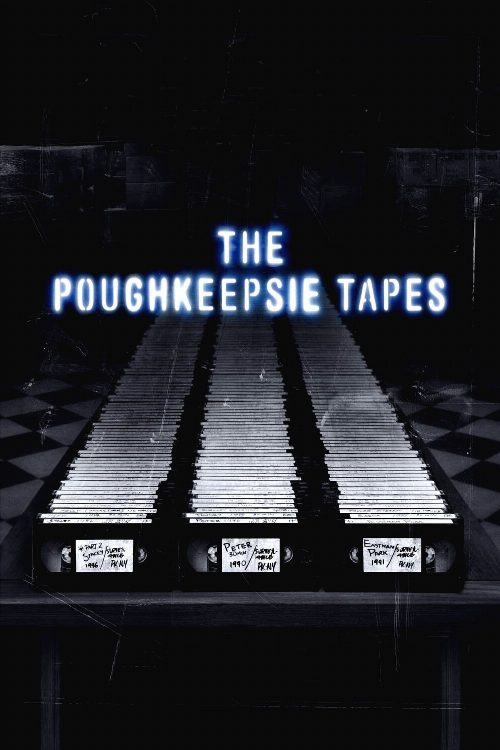
When hundreds of videotapes showing torture, murder and dismemberment are found in an abandoned house, they reveal a serial killer's decade-long reign of terror and become the most disturbing collection of evidence homicide detectives have ever seen.
The Poughkeepsie Tapes remains a chilling anomaly in the landscape of found footage cinema, pushing the boundaries of the mockumentary format toward a level of visceral unease rarely matched by its contemporaries. By framing its narrative through the discovery of a vast archive of home-recorded atrocities, the film adopts a clinical, almost documentary-style detachment that heightens the horror of its subject matter. Unlike many horror features that rely on supernatural jump scares or high-budget visual effects, this project finds its strength in the raw, lo-fi aesthetic of early digital recordings, creating an atmosphere that feels uncomfortably real and voyeuristic. For audiences accustomed to the polished production values of mainstream thrillers, this gritty approach serves as a masterclass in psychological discomfort, forcing the viewer to confront the banality of evil captured through the lens of a predator who views his crimes as a personal chronicle.
In the context of global cinema, where the thriller genre has evolved from traditional whodunits to more complex character studies, this film occupies a unique space as a precursor to the modern obsession with true crime media. While industries like the Malayalam or Telugu film sectors have recently mastered the art of the tense, grounded investigative thriller, The Poughkeepsie Tapes represents an earlier, more experimental era of Western horror that prioritized relentless dread over conventional pacing. It is a mandatory watch for cinephiles who appreciate non-linear storytelling and the subversion of the documentary form. The film is perfectly tailored for those who enjoy the dark, gritty realism of serial killer procedurals and are willing to endure a heavy, oppressive tone that lingers long after the credits roll.
The project stands as a testament to the power of commitment to a specific stylistic vision, regardless of how uncomfortable that vision might be for the general public. By eschewing the traditional protagonist-hero arc, the film focuses instead on the terrifying perspective of the perpetrator and the haunting implications of his preserved memories. It effectively captures the anxiety of the early two-thousands, a time when the proliferation of personal recording devices began to change how we document both the mundane and the monstrous. For viewers who prefer their horror to feel like a forbidden artifact rather than a manufactured spectacle, this film remains an essential, albeit harrowing, entry in the history of the genre. It does not seek to entertain in the traditional sense, but rather to disturb, successfully positioning itself as one of the most enduringly unsettling experiments in contemporary independent film history.
Cast(59)