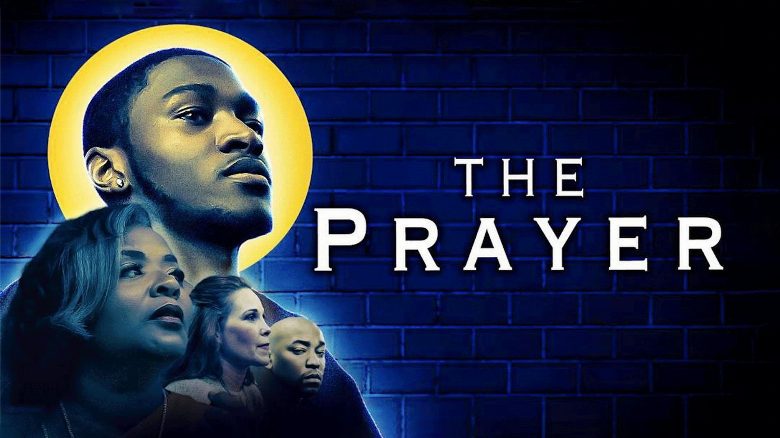

About The Prayer
A drama and faith-based film about two ambitious college students. Mark and Tom became good friends despite a rocky beginning at gunpoint that almost cost Mark his life.
The Prayer emerges as a thought-provoking entry in the faith-based drama landscape, distinguishing itself by grounding its spiritual exploration in the stark reality of sudden, life-altering violence. While many films in this genre lean heavily into sentimental tropes, director Dennis L.A. White chooses to anchor the narrative in a high-stakes encounter that defies conventional friendship origins. By focusing on the unlikely bond between two university students whose connection is forged through a harrowing brush with mortality, the film forces the audience to confront the difficult intersection of forgiveness, personal ambition, and the fragility of human existence. It stands out by refusing to shy away from the trauma that serves as the catalyst for its central relationship, making the subsequent quest for redemption feel earned rather than merely theoretical.
For viewers who appreciate character-driven storytelling that prioritizes emotional evolution over spectacle, this project offers a compelling look at how past choices continue to reverberate through our current lives. The film is particularly well-suited for those who follow independent American dramas that examine moral dilemmas through a lens of grace and resilience. Dennis L.A. White manages a dual role as both director and performer, a creative choice that often lends a specific, singular vision to a production. His track record of immersing himself in the mechanics of his stories is evident here, as the film maintains a steady, intimate focus on the psychological toll of the opening incident. The chemistry between the leads provides the necessary gravity to keep the premise grounded, ensuring that the dialogue regarding faith and second chances feels like a genuine attempt to process a chaotic world.
In the broader scope of contemporary cinema, this title functions as a reminder that the most profound shifts in human behavior often happen in the quiet spaces following a major crisis. It avoids the polished, high-gloss aesthetic of major studio dramas in favor of a raw, earnest approach that feels more aligned with the grassroots spirit of independent filmmaking. Audiences who enjoy narratives that explore the complexities of brotherhood and the heavy burden of past transgressions will find much to dissect here. By centering on the development of these two individuals as they navigate their academic futures while carrying the weight of their shared history, the movie creates a space for reflection that persists long after the final credits roll. It is a nuanced addition to the genre that favors internal transformation over easy answers.