About The Promised Land
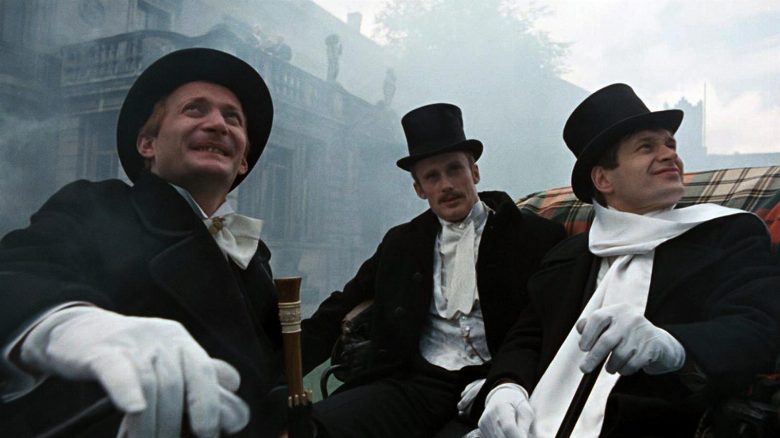
In nineteenth-century Łódź, Poland, three friends want to make a lot of money by building and investing in a textile factory. An exceptional portrait of rapid industrial expansion is shown through the eyes of one Polish town.
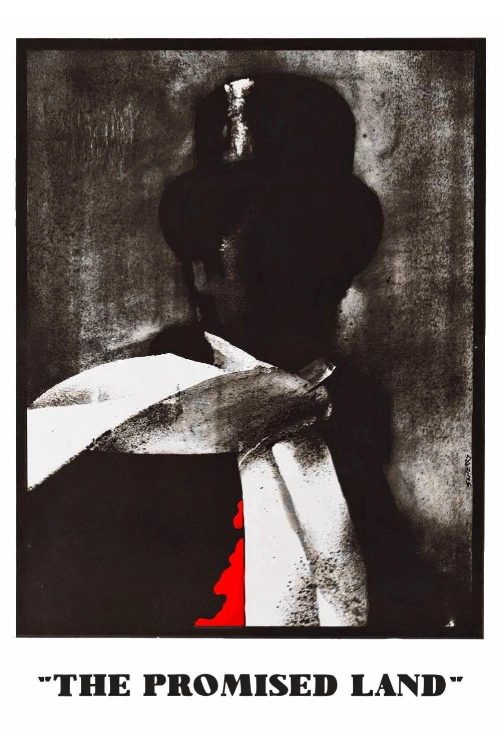
The Promised Land stands as a towering achievement in European cinema, capturing the ruthless ambition and moral decay that accompanied the industrial boom of nineteenth-century Poland. Directed by Andrzej Wajda, this visceral drama transports viewers to the city of Lodz, a place defined by the clatter of machinery and the insatiable greed of its burgeoning capitalist class. By focusing on the volatile alliance between a Polish nobleman, a German entrepreneur, and a Jewish industrialist, the film masterfully dissects the friction between ethnic identities and shared economic desperation. It is a stark, uncompromising look at how the pursuit of wealth can erode the human spirit, stripping away social niceties to reveal a landscape where survival depends entirely on one's ability to manipulate the system.
For enthusiasts of global cinema who appreciate the gritty, realistic storytelling often found in the best of Indian parallel cinema, such as the works of Satyajit Ray, this film offers a fascinating European parallel. Like the regional giants of the Telugu or Hindi film industries that frequently explore the intersection of personal morality and societal structure, Wajda uses a localized setting to comment on universal truths about progress and exploitation. The visual language is jarring and intentionally chaotic, mirroring the rapid urbanization that transformed rural lives into cogs within a massive, uncaring factory apparatus. It avoids the romanticization of history, opting instead for a gritty, sweat-drenched aesthetic that makes the period feel startlingly immediate rather than like a dusty relic of the past.
Modern viewers who enjoy complex character studies and historical epics that refuse to provide easy heroes will find themselves deeply invested in the trio at the center of the narrative. The performances are layered and intense, particularly those of Wojciech Pszoniak and his colleagues, who embody the frantic energy of an era where fortunes were made and lost in the blink of an eye. This is not a film for those seeking a lighthearted escape, but rather for the audience that values cinema as a medium for social inquiry. It remains a essential watch for anyone interested in how industrialization reshapes the identity of a nation, serving as a bleak reminder that the cost of progress is often paid in the currency of personal integrity. Even decades after its release, its portrayal of cutthroat competition feels remarkably relevant to contemporary discussions about wealth disparity and the hollow nature of corporate ascension.
Cast(54)