The Rains of Ranchipur(1955)
About The Rains of Ranchipur
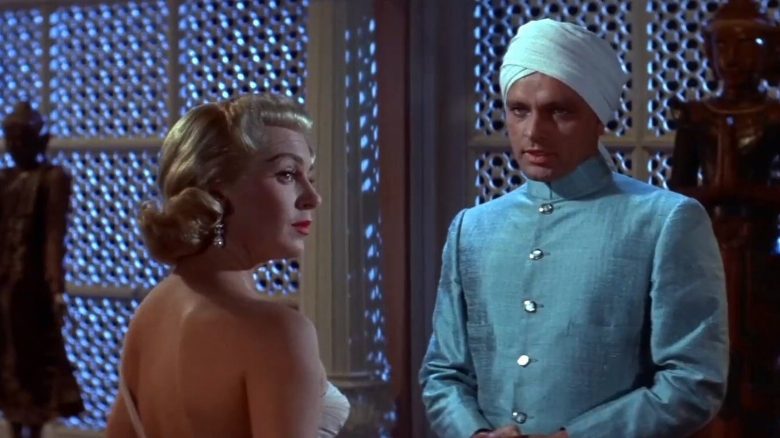
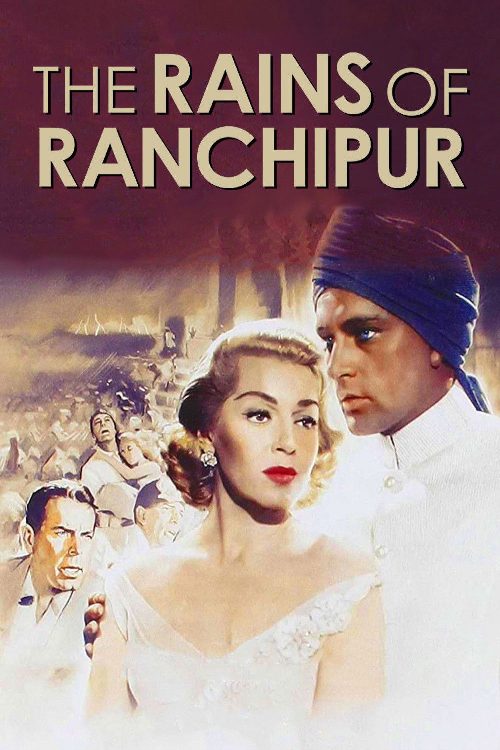
India. The spoilt and stubborn Edwina Esketh, comes to a small town with her husband. She falls in love with an indian doctor, Dr. Safti. She also meets an old friend of hers, the alcoholic Tom Ransome. An awful earthquake is followed by days of rain.
Hollywood during the mid-fifties often turned its gaze toward the exotic allure of the East, and The Rains of Ranchipur stands as a quintessential example of this fascination with colonial-era drama. Set against the backdrop of a sprawling Indian estate, the film explores the volatile intersection of social privilege and personal transformation. Lana Turner anchors the narrative as a socialite whose rigid world is upended when she finds herself drawn to a dedicated local physician, played by Richard Burton. This central tension is further complicated by the presence of a cynical acquaintance, portrayed by Fred MacMurray, who represents the disillusioned spirit of expatriate life. While contemporary audiences might view the production through the lens of its era-specific Orientalism, the film remains a fascinating artifact of how Western studios attempted to blend high-stakes melodrama with the grand scale of natural disasters.
The true spectacle of the project lies in how Jean Negulesco orchestrates the shift from intimate interpersonal conflict to collective survival. When the environment turns against the characters, the story pivots from a standard romantic triangle into a test of character and moral fortitude. For fans of classic cinema, the film offers a compelling study in star power, pairing Turner at the height of her screen presence with the intense, brooding gravitas that defined Burton early in his career. The regional atmosphere serves less as a realistic depiction of the subcontinent and more as a heightened, operatic stage where the protagonists are forced to confront their own inadequacies. The production design and the sheer ambition of the set pieces suggest a studio system that was still deeply invested in the power of visual grandeur to lure viewers into the theater.
Today, this film serves as a bridge for those interested in the evolution of cross-cultural storytelling in twentieth-century English language cinema. It is a must-watch for cinephiles who appreciate the aesthetic polish of Technicolor dramas and the specific brand of emotional turbulence that characterized the decade. Those who enjoy tales of redemption amidst chaos, or who have an interest in the historical trajectory of how global settings were utilized to mirror internal character arcs, will find plenty to dissect here. It stands as a reminder of a time when the spectacle of a cataclysmic flood or earthquake was used to strip away the artifice of high society, revealing the raw humanity underneath. Whether viewed as a period piece or a romantic odyssey, the film remains a sturdy representative of a bygone era of lavish, studio-bound international storytelling.
Cast(13)