
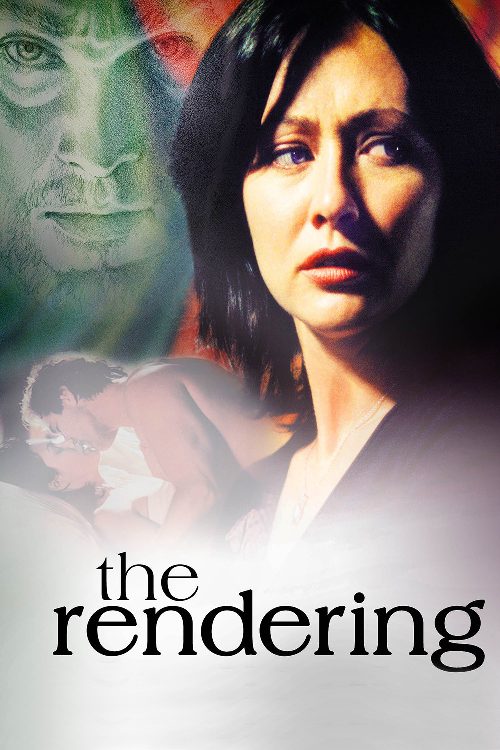
About The Rendering
Ten years after being molested in art school by habitual rapist Theodore Gray, who is serving 25 years but eligible for parole, Sarah Reynolds leads a happy life in a gallery and with her handsome husband, lawyer Michael Reynolds, and helps police detective Nick Sousa, who put Grat away, as sketch-artist. Then new cases following Gray's MO occur, and a victim who got away gives a description Sara hesitates to confide to paper: it fits Michael scarily. She turns it in, yet once he's behind bars searches in and is blackmailed to plead Gray's paroling or his crime cahoots will torture Michael to death.
The psychological tension at the heart of The Rendering stems from a chilling intersection of professional duty and personal trauma that forces a protagonist to confront the fragile stability of her domestic life. Released in 2002, this television thriller taps into the classic genre trope of the unreliable spouse, but it adds a unique layer by positioning the lead character as a forensic sketch artist. By tasking Sarah Reynolds with visualizing the very monsters that haunt her memories, director Peter Svatek creates an immediate, visceral conflict where the act of creation becomes a catalyst for profound terror. The film stands out among early 2000s suspense dramas because it pivots away from typical whodunit structures, instead focusing on the erosion of trust within a marriage and the haunting persistence of past abuse that refuses to stay buried behind prison walls.
For audiences familiar with the high-stakes investigative thrillers that often define the landscape of regional Indian cinema, where the struggle for justice frequently clashes with systemic corruption, The Rendering offers a familiar yet distinctly Western perspective on the cost of uncovering the truth. While Indian industries like the Telugu or Tamil film sectors have mastered the art of the cat-and-mouse procedural, this film leans heavily into the claustrophobic atmosphere of a domestic nightmare. It is a compelling watch for viewers who enjoy character-driven mysteries where the primary adversary is not just a criminal but the gnawing uncertainty that one might be sleeping next to a predator. The narrative pacing relies on the slow accumulation of evidence, pushing the protagonist toward a desperate realization that her expertise in identifying criminals might be the very thing that destroys her current world.
Peter Svatek manages to maintain a sense of unease throughout the film, grounding the high-concept premise in the quiet, mundane details of Sarah’s life. The story explores the heavy burden of being a survivor who is expected to move forward, only to find that the past has a way of mirroring itself in the present. This film is best suited for those who appreciate slow-burn thrillers that prioritize psychological stakes over explosive action sequences. It remains a notable entry for fans of the genre who enjoy analyzing the intersection of artistic observation and personal denial. By focusing on the moral dilemmas of a woman caught between her professional integrity and the potential betrayal of her husband, the movie sustains a level of suspense that remains relevant to contemporary audiences who appreciate a narrative that challenges the boundaries of intimacy and suspicion.