About The Scarlet Lady
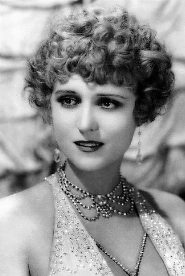
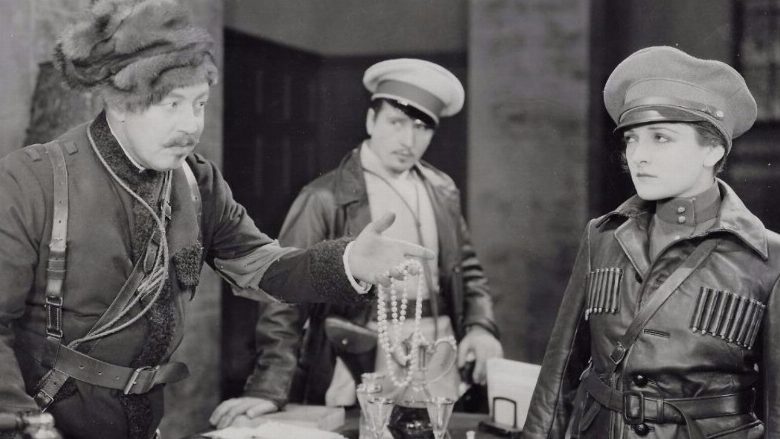
The film follows Lya, a woman seeking refuge from Cossack soldiers, who finds herself at the palace of Prince Nicholas. She becomes his majordomo and they fall in love, but their relationship is disrupted when Nicholas learns of her past with a Bolshevik leader. Lya is expelled, becomes a terrorist, and later encounters Nicholas again, now disguised as a servant. When Nicholas is sentenced to death, she rescues him and they escape together.
The silent era of Hollywood often leaned into grand narratives of revolution and romance, and The Scarlet Lady stands as a quintessential artifact of that high stakes storytelling. Directed by Alan Crosland, who is perhaps best remembered for his pivotal work in the transition to sound, this 1928 drama showcases a sweeping vision of political turmoil colliding with intimate human desires. By centering the narrative on the volatile journey of its lead character, the film captures the chaotic atmosphere of a crumbling empire while maintaining the focused intensity of a star driven vehicle. It serves as a fascinating snapshot of how international audiences of the time consumed epic tales, blending the exoticism of foreign history with the universal language of passion and betrayal.
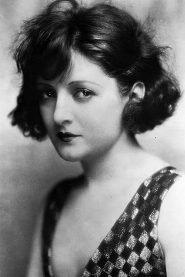
For those who appreciate the evolution of cinematic melodrama, this production offers a masterclass in visual storytelling and character archetypes. Lya De Putti, a performer known for her captivating screen presence, carries the film with an emotional depth that transcends the limitations of the pre sound era. Her portrayal of a woman caught between shifting political allegiances and a complicated romantic entanglement feels surprisingly modern in its defiance of simple moral labels. The film is specifically designed for viewers who enjoy vintage period pieces where the stakes are life or death, echoing the themes of sacrifice and redemption that continue to resonate in contemporary global cinema. It provides a historical bridge to the high drama often found in modern Indian epics, where the intersection of personal identity and national destiny remains a potent source of narrative fuel.
Alan Crosland manages to weave a sophisticated tapestry of intrigue, placing his protagonists in a world where every decision carries the weight of a changing social order. The dynamic between the prince and the woman who disrupts his courtly life creates a tension that drives the plot forward without relying on unnecessary exposition. Fans of classic Hollywood aesthetics will find plenty to admire in the production design and the deliberate pacing that allows for subtle character beats to land effectively. As a piece of film history, it remains a compelling study of a woman navigating a landscape dominated by men and ideology, positioning itself as a must watch for anyone interested in how the foundations of romantic drama were built during the twilight of the silent years.