
The Second Is a Christian(1985)
About The Second Is a Christian
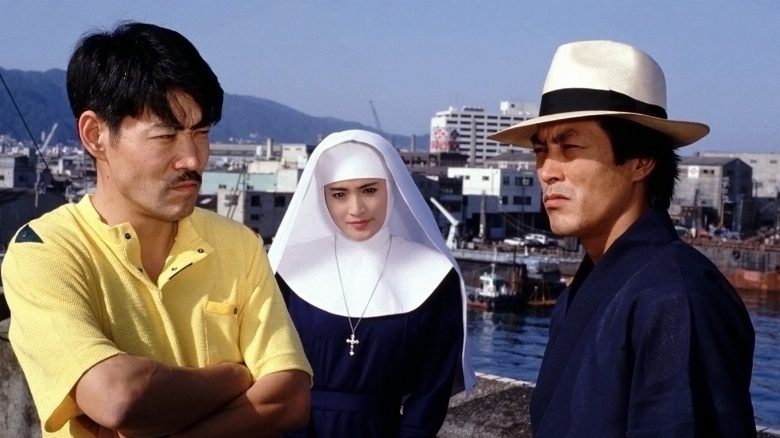
The story of beautiful Christian nun, Kyoko who is the object of affection for two very different men - one the happy-go-lucky yakuza gangster, Haruhiko who is the next-in-line to takeover the ragtag "Tenryu Gumi" gang and the other bumbling police detective Kumashiro. The Tenryu Gumi is a collection of misfits and other troublemakers but are relatively peaceful due to their Christian beliefs. Their bitter rivals are the more traditional "Kuroiwa Gumi", a much more sadistic and violent group led by godfather Kuroiwa.
Tracing the eccentric intersections of faith and criminality within the landscape of 1980s Japanese cinema, The Second Is a Christian offers a stylistic departure from the gritty noir tropes typically associated with yakuza narratives. At its core, the film presents a lighthearted exploration of a pacifist criminal syndicate that draws its moral compass from Christian values, a sharp contrast to the brutal, tradition-bound gangs that usually dominate the genre. The narrative tension revolves around the pursuit of a nun by two wildly disparate figures: an optimistic young gangster poised to inherit his group, and an inept investigator struggling to maintain order. This dynamic elevates the movie from a standard crime caper to a character-driven comedy that finds humor in the absurdity of spiritual devotion amidst a backdrop of underworld rivalry.
For global cinephiles who appreciate the evolution of regional genre filmmaking, this picture serves as a fascinating relic of an era when Japanese directors were increasingly willing to subvert established archetypes. While contemporary Indian audiences are currently witnessing a massive resurgence in high-octane pan-Indian action dramas, this 1985 feature provides a refreshing change of pace through its gentle irony and offbeat characterizations. It avoids the heavy-handed moralizing found in many mainstream features, opting instead to place its colorful cast of misfits in situations that highlight the contradictions between their religious identity and their illicit professions. The presence of seasoned actors like Akira Emoto and Jun Kunimura adds a layer of gravitas to the otherwise whimsical proceedings, ensuring that the performances remain grounded even as the plot takes increasingly unpredictable turns.
Viewers who enjoy cult classics that balance social satire with genuine human warmth will likely find much to admire here. The film is perfectly suited for those who find the stoic, humorless yakuza tropes of the seventies exhausted and are looking for something that treats the criminal underbelly with a wink and a smile. By focusing on the friction between a peaceful gang and their sadistic, traditionalist counterparts, the story explores themes of identity and belonging in a society undergoing rapid transition. It is an ideal watch for fans of international indie sensibilities, offering a unique window into a specific slice of Japanese pop culture that prioritized quirky personality over cold-blooded violence. With its blend of slapstick humor and unconventional premise, it remains a standout piece of storytelling that feels surprisingly distinct from the typical crime sagas of its time.
Cast(18)