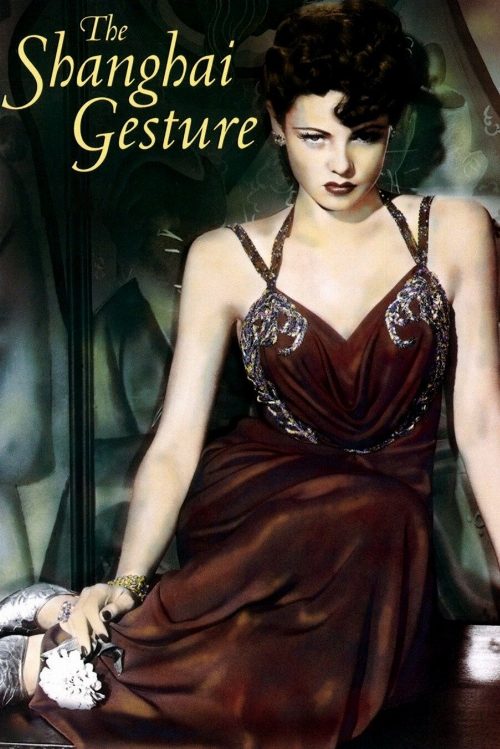
The Shanghai Gesture(1941)
About The Shanghai Gesture
A gambling queen uses blackmail to stop a British financier from closing her Chinese clip joint.
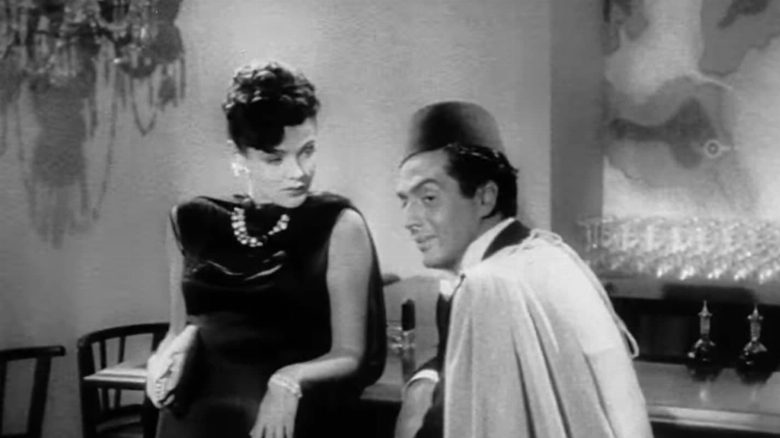
Josef von Sternberg crafted a visual fever dream with The Shanghai Gesture, a film that remains a masterclass in atmospheric tension and stylistic excess. Set against the backdrop of a decadent, neon-drenched vision of pre-war China, the narrative explores the volatile collision between colonial ambition and the underworld power structures that thrive in the shadows. Unlike the gritty realism often associated with the era, this production leans heavily into an operatic sense of dread, portraying a high-stakes power struggle where the line between manipulator and victim is constantly blurred. The story centers on a formidable female proprietor who commands her gambling empire with an iron grip, finding herself locked in a desperate confrontation with a wealthy businessman whose arrival threatens her carefully constructed domain.
The film serves as a fascinating relic of mid-century Hollywood, yet it possesses a distinct, almost surreal quality that sets it apart from typical noir thrillers of the 1940s. For enthusiasts of global cinema who appreciate the stylistic evolution of suspense, this work provides a compelling look at how directors of that period utilized set design and lighting to externalize inner turmoil. While modern audiences raised on the fast-paced, complex narratives found in contemporary Telugu or Hindi cinema might find the pacing deliberate, the sheer audacity of the production design and the intensity of the performances offer a rich, immersive experience. It is a work that demands patience, rewarding the viewer with a dense tapestry of psychological warfare that feels both trapped in time and strangely timeless in its exploration of greed and retribution.
The performances elevate the material, particularly the portrayal of the central antagonist, whose presence anchors the film in a mixture of elegance and malice. Sternberg, known for his meticulous control over every frame, creates a world that feels entirely artificial yet undeniably captivating. This is not a film for those seeking comfortable resolutions or straightforward heroics; instead, it targets viewers who enjoy darker, character-driven dramas that prioritize mood and subtext over traditional action beats. By focusing on the intricate dance of influence and the inevitable collapse of social hierarchies, the film remains a notable entry point for those interested in the darker impulses of classic cinema. Even decades after its original release, the tension permeating the gambling halls of this fictionalized Orient lingers long after the final credits roll, cementing its reputation as a singular, haunting piece of mid-century storytelling.
Cast(17)