About The Six Triple Eight
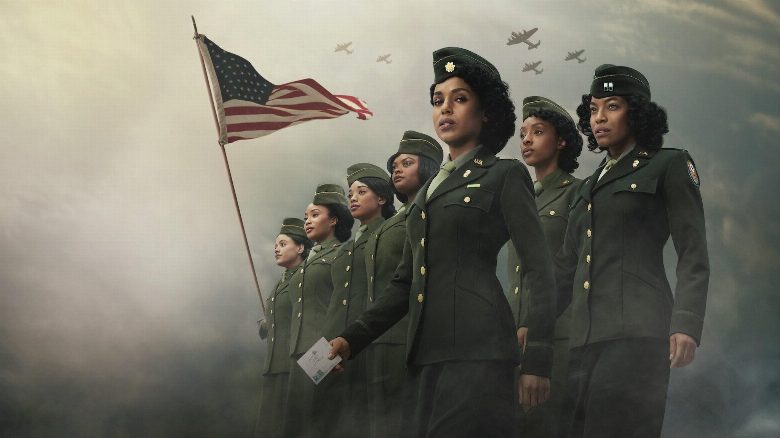
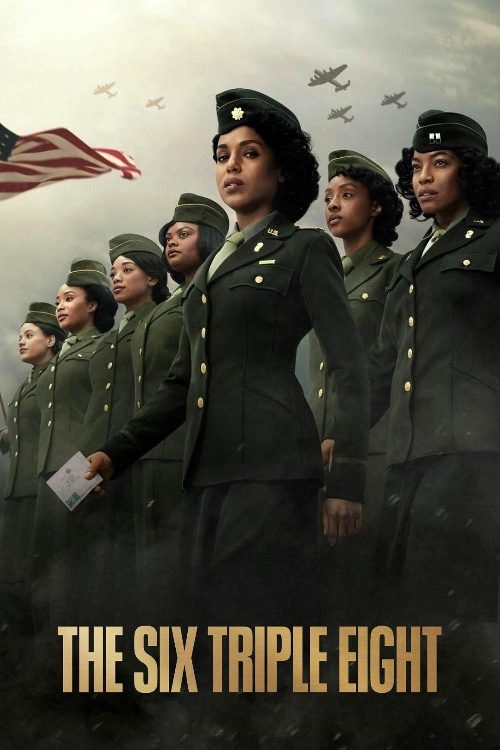
During World War II, the US Army's only all-Black, all-women battalion takes on an impossible mission: sorting through a three-year backlog of 17 million pieces of mail that hadn't been delivered to American soldiers and finish within six months.
History often favors the stories of those on the front lines, yet the most profound transformations frequently occur in the quiet, overlooked corners of conflict. The Six Triple Eight shifts the lens toward a group of women who performed a vital service that sustained the morale of an entire nation during the Second World War. By focusing on the 6888th Central Postal Directory Battalion, the film highlights a logistical nightmare that was as much a battle of willpower as it was a bureaucratic challenge. The premise centers on the daunting task of organizing millions of letters that had been neglected for years, turning a mountain of lost messages into a conduit for connection. It is a refreshing departure from standard war cinema, prioritizing the resilience of human communication over the familiar spectacle of combat.
For viewers who admire the recent wave of historical dramas that celebrate unsung heroes, this production offers a deeply resonant perspective. While global cinema has seen a surge in period pieces that reclaim marginalized narratives, this project stands out for its emphasis on institutional barriers and the sheer grit required to overcome them. The ensemble cast brings a gravitas to the screen that grounds the historical setting in genuine emotion. Whether you are a fan of character-driven dramas or interested in the specific contributions of Black women to the war effort, the film balances its heavy subject matter with a compelling sense of urgency. It serves as a testament to the idea that every piece of mail carried a life, and these women understood the weight of that responsibility better than anyone else.
The creative direction behind this project seems aimed at both honoring the past and educating modern audiences about the complexities of military life during the 1940s. By highlighting a unit that faced systemic prejudice while striving to fulfill a duty that was essential to the emotional health of the fighting forces, the film creates a poignant dialogue between the struggles of the era and contemporary values. Those who appreciate meticulous production design and period-authentic storytelling will find much to admire in how the film reconstructs this specific slice of history. It is positioned as a significant contribution to the genre, inviting us to reconsider how we define bravery and sacrifice in the shadow of global strife. This is not merely a chronicle of clerical work but a stirring observation of how a dedicated group of individuals can alter the morale of an entire world.
Cast(62)