About The Suicide Club
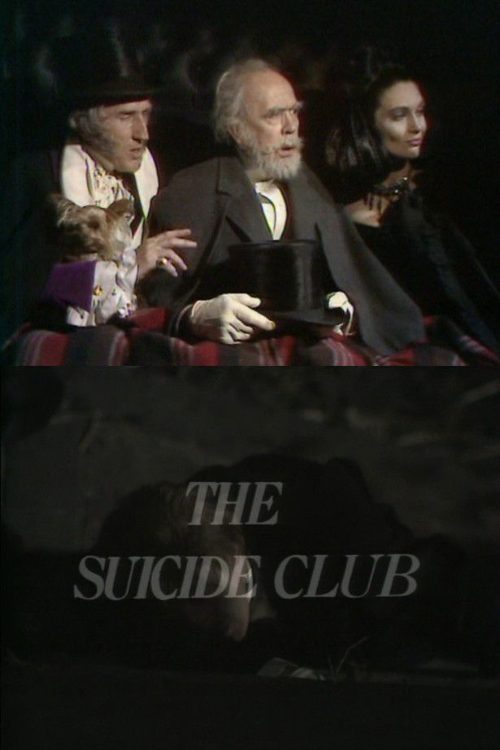
Prince Florizel of Bohemia discovers a secret club where desperate men gamble with their lives, and vows to bring it to an end.
Stepping back into the atmospheric landscape of early seventies British television, The Suicide Club emerges as a quintessential example of the era’s penchant for gothic suspense and theatrical tension. This adaptation transforms a classic literary mystery into a claustrophobic psychological thriller that thrives on the contrast between aristocratic decadence and the grim reality of a clandestine underworld. By focusing on the moral crusade of a high-ranking traveler who stumbles upon a lethal society, the narrative explores the fine line between personal honor and the cold, indifferent mechanics of fate. It serves as a stark reminder of how period dramas from this decade utilized minimal sets and sharp dialogue to craft a sense of impending doom that modern CGI-heavy productions often struggle to replicate.
For enthusiasts of vintage genre fiction, this film offers a fascinating look at how classic Robert Louis Stevenson tales were reimagined for a domestic audience during a period of transition in filmmaking. The production values reflect the gritty, stage-influenced aesthetic that defined much of British television output during that time, prioritizing intense character studies over explosive spectacle. It is a work that demands patience, rewarding the viewer with nuanced performances from a cast steeped in the traditions of classical acting. Because the story hinges on a battle of wits and high-stakes social engineering, it will resonate deeply with fans of slow-burn mysteries and those who appreciate the dark, moralistic undertones common in Victorian-era adaptations.
While the film remains a relic of its specific historical moment, its exploration of existential despair and the morbid fascination with life-or-death gambles remains surprisingly relevant. Much like the contemporary Indian cinema landscape, which often finds success in blending traditional storytelling with high-concept thrillers, this film demonstrates the enduring power of a premise rooted in deep human anxiety. Whether one views it as a period piece or a psychological experiment, the narrative challenges the audience to consider the cost of curiosity when faced with an institution that treats human existence as a mere wager. It stands as a testament to the versatility of its source material and the creative ingenuity required to bring such chilling concepts to the small screen without the need for excessive ornamentation.
Cast(13)