About The Toy Wife
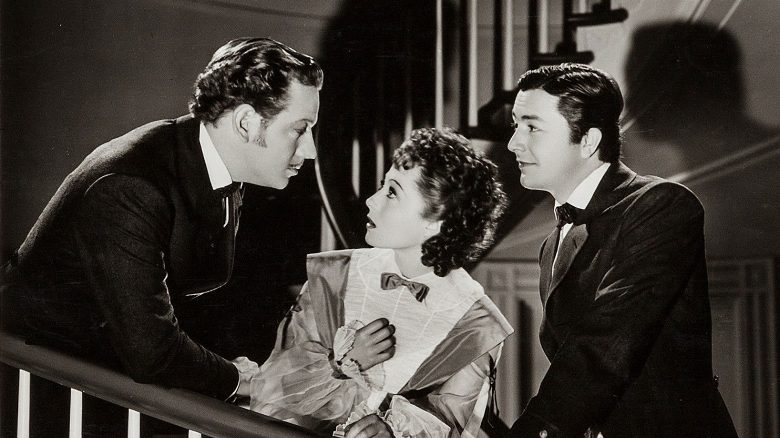
A Southern belle finds herself torn between two suitors.
Set against the backdrop of the antebellum American South, The Toy Wife serves as a quintessential example of the polished, studio-era melodrama that defined Hollywood in the late 1930s. While contemporary audiences often look toward the raw intensity of modern regional Indian cinema for complex explorations of marriage and social expectation, this classic film offers a fascinating historical parallel. It examines the fragile architecture of the upper-class domestic sphere, focusing on a protagonist who must navigate the restrictive customs and romantic pressures of her era. Rather than relying on the high-octane action sequences or grand mythological storytelling found in current Telugu or Tamil blockbusters, this drama derives its weight from the subtle, simmering tensions of a love triangle that threatens to dismantle a carefully curated social reputation.
The narrative centers on a woman whose flirtatious charm masks a deeper internal conflict as she weighs the competing affections of two very different men. For viewers who appreciate the character-driven dramas of directors like Mani Ratnam or the nuanced family portraits often found in Malayalam cinema, the film offers a similar pleasure in observing the consequences of personal desire when it clashes with rigid societal norms. The production design and the deliberate pacing are hallmarks of a time when the star system dictated the emotional trajectory of a story, placing immense weight on the leading lady to anchor the audience's empathy. Barbara O Neil delivers a performance that demands attention, capturing the dichotomy of a character trapped between the allure of independence and the safety of traditional expectations.
This film is positioned as a quintessential watch for cinephiles interested in the evolution of romantic drama and the ways in which historical Western cinema mirrors the universal themes of duty and autonomy. It avoids the broad strokes of genre spectacle, opting instead for a focused, intimate look at the emotional cost of playing a role for one's peers. While it lacks the vibrant musical interludes common in Hindi or Kannada films, its structural reliance on dialogue and interpersonal friction remains effective even decades later. By stripping away the artifice of the period setting, one finds a timeless study of a woman attempting to assert her agency within a world that would prefer her to remain a mere ornament. It is a compelling relic of the golden age of studio filmmaking, well worth revisiting for those who enjoy dissecting the history of the domestic tragedy on the silver screen.
Cast(14)