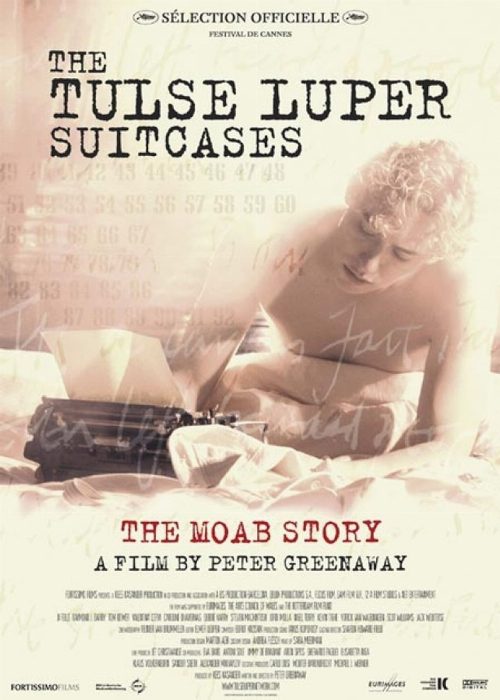
The Tulse Luper Suitcases, Part 1: The Moab Story(2003)
About The Tulse Luper Suitcases, Part 1: The Moab Story
A comic study of 20th-century history, reconstructing the life of writer, creator and professional prisoner Tulse Luper. Born in 1911 Newport and last heard of in 1989, Luper’s life is pieced together from the evidence found in 92 suitcases scattered across the globe. In the first of three parts, we follow Luper through three distinct episodes: as a child during the First World War; as an explorer in Mormon Utah; and as a writer in Belgium during the rise of fascism.
Peter Greenaway has long been a director fascinated by the intersection of cataloging, obsession, and the grand tapestry of human history, and his ambitious project The Tulse Luper Suitcases, Part 1: The Moab Story serves as the sprawling foundation for this experimental magnum opus. Rather than offering a traditional linear narrative, the film functions as a cinematic puzzle box that demands an active, inquisitive viewer. By centering the story on a protagonist whose existence is defined by his frequent incarcerations and the mysterious contents of ninety-two suitcases, Greenaway crafts an intellectual odyssey that feels worlds apart from the populist storytelling currently dominating the global landscape, including the high-octane spectacles emerging from the Telugu or Tamil industries. This is a work of high-concept art house cinema that prioritizes visual texture and historical layering over conventional pacing.
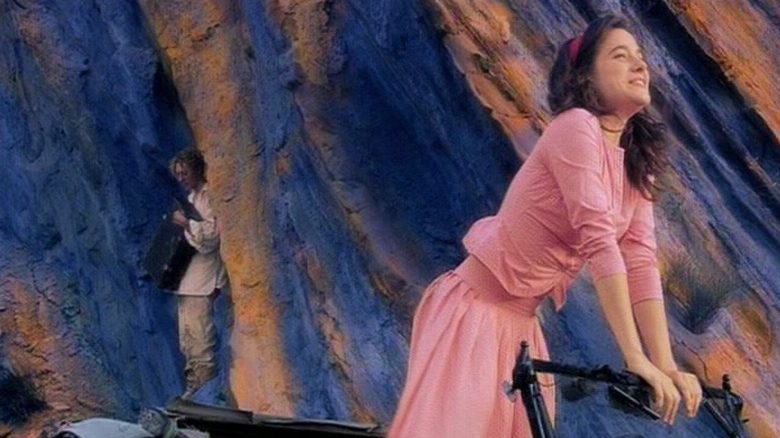
The narrative structure here is distinctly non-traditional, moving fluidly between early twentieth-century childhood, the rugged landscapes of Utah, and the shadow of encroaching fascism in Belgium. For audiences accustomed to the emotional beats of mainstream Indian dramas, this film offers a starkly different experience, trading sentimental arcs for a cold, rigorous examination of how an individual life is documented and distorted by time. The film is essentially a collage, inviting spectators to piece together the identity of Tulse Luper through fragmented memories and symbolic artifacts. It is an ideal pick for cinephiles who enjoy dissecting the formal limitations of the medium, as it pushes the boundaries of how biographical storytelling can be presented on screen.
While the film operates in a European context, its influence on the aesthetic of international independent projects remains palpable. Greenaway uses the suitcase motif as a brilliant metaphor for the burden of history, turning mundane objects into vessels of political and personal trauma. Viewers who find themselves drawn to directors who experiment with non-linear timelines or visual excess will likely appreciate the density of the imagery on display. The Moab Story is not merely a drama; it is a conceptual exercise that challenges the viewer to become a historian themselves, sifting through the evidence provided to understand the man at the center of the mystery. It stands as a testament to a period of avant-garde filmmaking that refused to compromise its vision for the sake of accessibility, marking it as a significant, if demanding, entry in the history of experimental world cinema.
Cast(69)