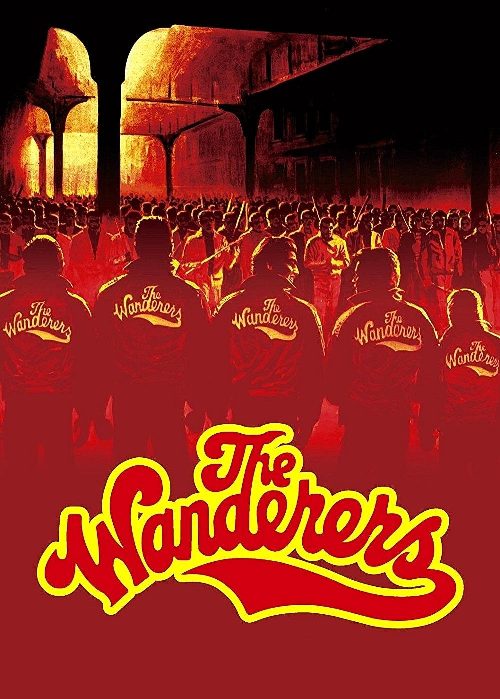
About The Wanderers
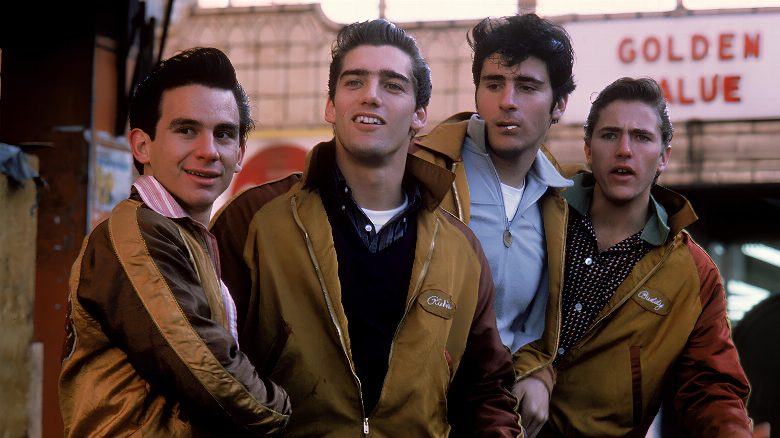
The streets of the Bronx are owned by '60s youth gangs where the joy and pain of adolescence is lived. Philip Kaufman tells his take on the novel by Richard Price about the history of the Italian-American gang ‘The Wanderers.’
New York City in the twilight of the sixties serves as a gritty yet poetic backdrop for The Wanderers, a film that captures the frantic energy of youth transitioning into adulthood. While contemporary Indian cinema often explores the complexities of regional gang dynamics through hyper-stylized action, this classic American drama offers a grounded, poignant look at the social hierarchies of the Bronx. It functions less as a traditional crime thriller and more as a coming of age chronicle, focusing on the internal lives of young men navigating shifting cultural tides and neighborhood loyalties. The film feels remarkably relevant today, as global audiences continue to show a deep fascination with narratives that blend local territorial disputes with the universal anxieties of growing up.
The film distinguishes itself by resisting the urge to glamorize its subjects, choosing instead to focus on the camaraderie and precariousness of street life. It is an essential watch for viewers who appreciate character-driven storytelling, particularly those who enjoy films that balance humor with a palpable sense of looming change. In the context of modern world cinema, where the transition from childhood to independence is a recurring motif across industries like Bollywood or Kollywood, this work stands as a foundational piece of urban Americana. It captures a specific snapshot of Italian-American identity that mirrors the way regional films in India often anchor their stories in the distinct cultural flavors of their respective states.
Director Philip Kaufman brings a sharp, observational eye to the material, ensuring the performances by a cast that includes Wayne Knight and Olympia Dukakis feel authentic to the period. The film is positioned as a sophisticated look at brotherhood and the end of an era, making it an ideal choice for cinephiles who value historical atmosphere and strong ensemble work. Whether you are a student of classic Western cinema or a fan of gritty dramas that prioritize human connection over spectacle, this movie offers a compelling window into a bygone era. It remains a standout entry in the genre, proving that the most powerful stories are often found in the small, chaotic moments that define our youth.
Cast(69)