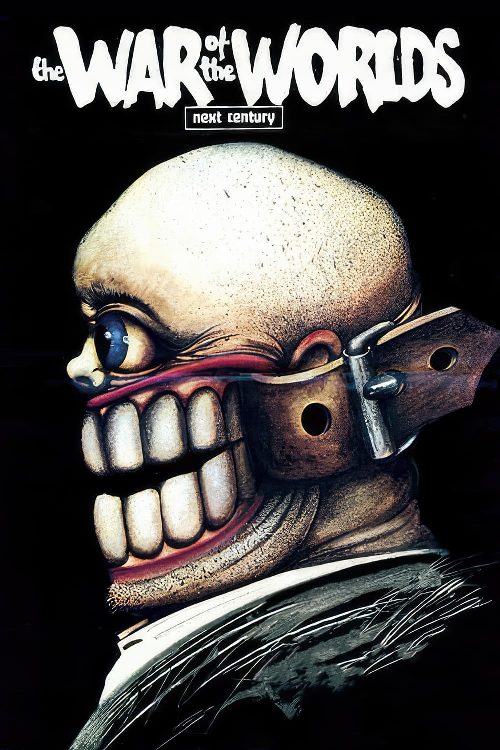
The War of the Worlds: Next Century(1981)
About The War of the Worlds: Next Century
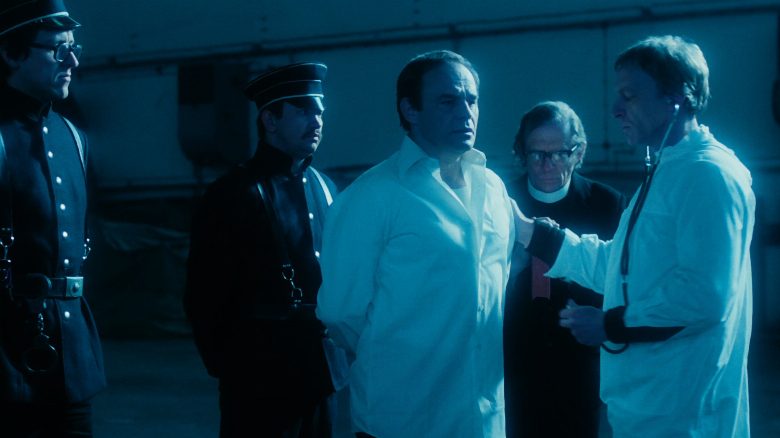
Poland, Christmastime. A band of hyperintelligent, bloodthirsty Martians take over the country and enlist hapless television newscaster Iron Idem as the voice of their propaganda machine. But when Iron dares to go off message, he makes an enemy even greater than the aliens—the state itself.
Decades before the modern obsession with media manipulation and algorithmic control, Polish cinema offered a chillingly prescient vision of societal collapse wrapped in the guise of science fiction. The War of the Worlds Next Century arrives as a fascinating curiosity for global audiences, standing apart from the typical space-faring spectacles of its era. Rather than focusing on grand battles or technological marvels, this film functions as a biting satire on the architecture of authoritarianism. By placing a television personality at the center of an extraterrestrial occupation, the director crafts a claustrophobic nightmare that feels less like an invasion story and more like a grim reflection on the fragility of truth during a national crisis.
The narrative trajectory highlights the precarious position of intellectuals and public figures living under repressive regimes, a theme that resonates deeply with the history of Eastern European cinema. For viewers familiar with the nuanced, politically charged storytelling found in contemporary Malayalam or political Telugu dramas, this film will feel remarkably ahead of its time. It captures the psychological toll of being a forced participant in a propaganda apparatus, where the lines between one's professional duty and moral compromise begin to vanish. The presence of Jerzy Stuhr and Krystyna Janda ensures that the performances remain grounded in raw, human desperation, preventing the high-concept premise from drifting into pure abstraction.
This production is particularly recommended for cinephiles who appreciate genre films that prioritize intellectual rigor over spectacle. It is a dense, moody experience that demands patience, rewarding the viewer with a scathing critique of how power structures utilize television to maintain order. In an age where digital misinformation has become a global concern, the 1981 perspective on how a state—aided by alien overlords—can hijack the narrative of an entire nation remains strikingly relevant. It is a quintessential example of how regional cinema can transcend its specific cultural origins to comment on universal anxieties regarding censorship and the loss of individual agency in the face of overwhelming institutional control. Those who enjoy dark, atmospheric narratives will find this to be a singular, if unsettling, addition to their watchlist.
Cast(28)