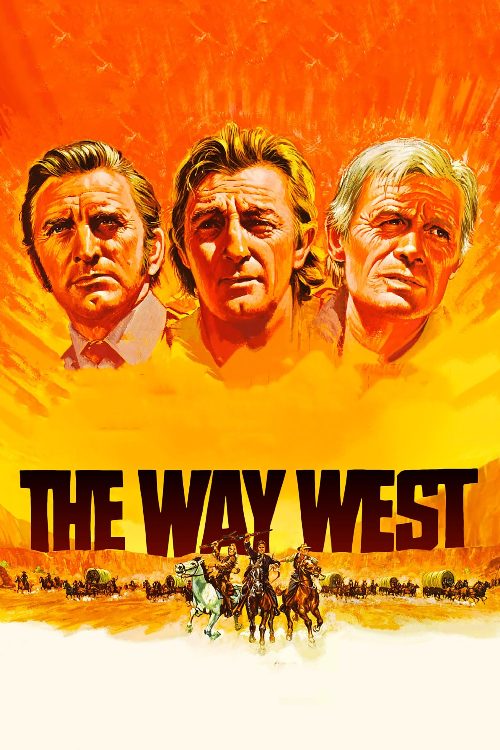
The Way West(1967)
About The Way West
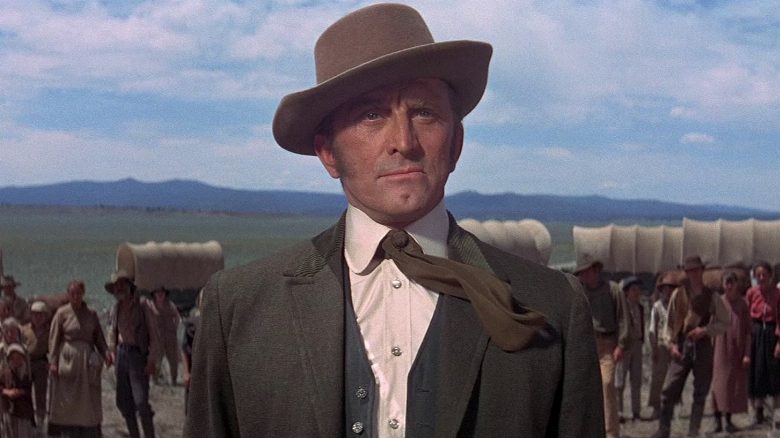
In the mid-19th century, Senator William J. Tadlock leads a group of settlers overland in a quest to start a new settlement in the Western US. Tadlock is a highly principled and demanding taskmaster who is as hard on himself as he is on those who have joined his wagon train. He clashes with one of the new settlers, Lije Evans, who doesn't quite appreciate Tadlock's ways. Along the way, the families must face death and heartbreak and a sampling of frontier justice when one of them accidentally kills a young Indian boy.
The vast, unforgiving expanse of the American frontier serves as the primary character in this 1967 production, a film that captures the grueling reality of 19th-century migration. While many Westerns of the era focused on romanticized gunfights or outlaws, this narrative digs into the psychological toll of leadership and the fragility of human cooperation when pushed to the brink of survival. It portrays the arduous trek toward Oregon not merely as a physical journey across treacherous terrain, but as a crucible for the moral resolve of a group of disparate travelers. The central conflict between the iron-willed Senator William J. Tadlock and the more pragmatic Lije Evans creates a compelling study of authority versus individual conscience, elevating the story above typical adventure tropes.
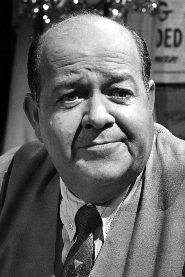
For audiences familiar with the grand traditions of Indian cinema, where the epic journey often serves as a metaphor for social reform or family duty, this film offers an intriguing Western parallel. Much like the ambitious multi-starrers in Telugu or Hindi cinema that balance large ensembles with intense character studies, the film relies on the friction between its leads to drive the stakes higher. The inclusion of figures like Stubby Kaye adds a layer of character-driven nuance to what could have been a standard historical drama. The production captures a specific moment in Hollywood history when the genre began to interrogate the cost of manifest destiny, making it a valuable watch for those interested in the darker, more introspective side of classic American filmmaking.
Viewers who enjoy cinema that explores the complexities of leadership and the heavy price of progress will find plenty to contemplate here. The film is particularly suited for fans of period pieces who appreciate meticulous attention to the physical hardships of travel, from the stifling heat of the plains to the precariousness of river crossings. By centering the story on the tension within a wagon train, the director avoids the trap of focusing solely on external threats, choosing instead to highlight the internal fractures that appear when a community is under immense pressure. It remains a stark reminder that the history of westward expansion was defined just as much by the difficult choices made by ordinary people as it was by the grand ambitions of those who led them.
Cast(38)