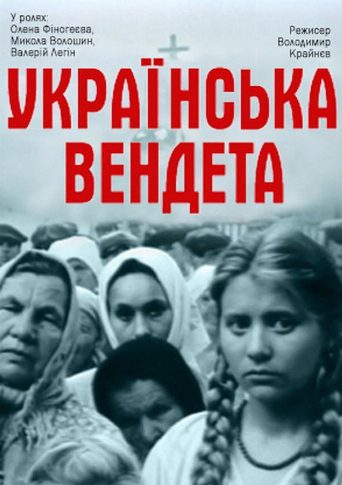
The White Bird Marked with Black(1972)
About The White Bird Marked with Black
A family struggles to survive in an area that was claimed as part of Rumania, Poland and Ukraine, all within a short span of time. When World War II comes, various family members choose different masters; some even choose to work for the Soviets. War, struggle, marriages, births, deaths--all these events punctuate the story of this large family.
Set against the jagged peaks of the Carpathian Mountains, The White Bird Marked with Black remains a haunting exploration of how geopolitical borders tear at the fabric of the human soul. While contemporary Indian cinema often navigates the complexities of partition and regional identity through high-octane emotional dramas, this 1972 masterpiece offers a stark, poetic parallel. It presents a family caught in the crossfire of shifting national allegiances during the mid-twentieth century, a narrative that will resonate deeply with viewers who appreciate the historical gravity found in classics of parallel cinema. By focusing on the internal fissures of a single household as their village is claimed by competing powers, the film transforms a local struggle into a universal meditation on the price of survival.
The brilliance of the film lies in its refusal to offer easy moral clarity, instead placing siblings on opposing sides of a brutal conflict. Some characters align with the encroaching Soviet forces, while others drift toward different ideologies to stay alive, turning every familial gathering into a fragile truce. For those familiar with the evolution of regional Indian dramas that grapple with the impact of war on rural life, this film serves as a foundational study in visual storytelling. The director utilizes the rugged landscape as a character in itself, mirroring the harsh, unyielding nature of the choices forced upon the protagonists. It is less a traditional war movie and more a lyrical, sometimes surreal, reflection on the fragility of heritage when external forces dictate the terms of existence.
Audiences who gravitate toward the works of auteurs who prioritize atmosphere and cultural specificity will find this film essential viewing. It is positioned as a cornerstone of world cinema, demanding the same level of attention as the intense, sociopolitical character studies seen in the best of Malayalam or Bengali independent films. The performances, particularly those of Nataliia Naum and Yurii Mykolaichuk, anchor the narrative with a grounded intensity that prevents the grand historical backdrop from overshadowing the intimate suffering of the characters. As the story unfolds through births, deaths, and the persistent threat of violence, it forces the viewer to confront the reality that for many, history is not something learned in books, but a relentless current that pulls families apart. This is a profound choice for cinephiles looking to bridge the gap between global history and the deeply personal, intimate dramas that define the human condition across all continents.
Cast(13)