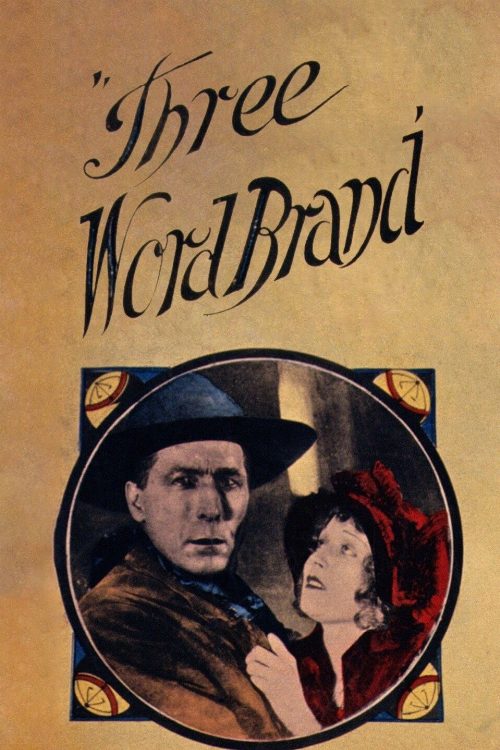
About Three Word Brand
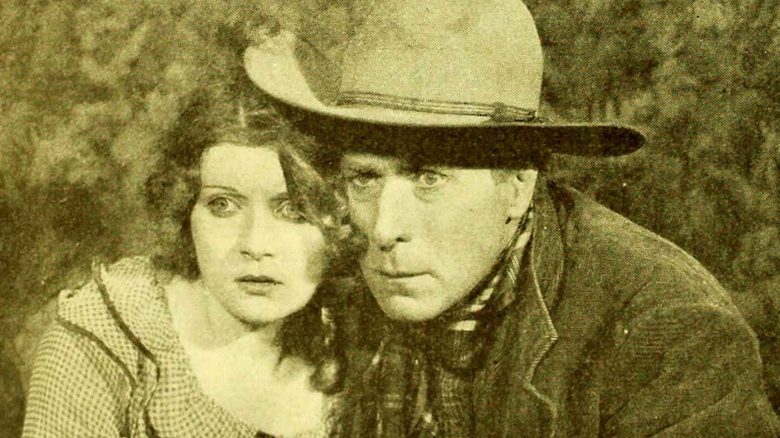
Ben Trego dies defending his twin sons from Indian attack. Separated, the two boys grow up very differently, one as Paul Marsden, the other as a cowboy named Three Word Brand. Paul becomes governor of Utah while Brand partners with George Barton in a ranch. The owner of the adjacent ranch plots to get Barton and Brand out of the way in order to control water rights. When Governor Marsden comes to the area to investigate, Brand sees the resemblance between them, though neither knows about his twin. Brand waylays Paul and takes his place as governor in an attempt to thwart the crooked rancher in the water rights scheme.
Tracing the lineage of the western genre often leads scholars back to the silent era, where the template for cinematic heroism was forged in the dust and grit of the American frontier. Three Word Brand stands as a curious artifact from 1921, directed by Lambert Hillyer, which leans into the dramatic potential of dual identities. While contemporary Indian cinema frequently explores the trope of separated siblings through a high-octane lens, this vintage feature utilizes the device to examine class disparity and moral agency. By placing a rugged rancher in the shoes of a state governor, the film engages with a narrative of mistaken identity that transcends borders, offering a precursor to the layered character studies often found in today’s Telugu or Tamil commercial dramas where protagonists must navigate shifting societal roles to achieve justice.
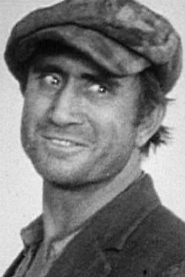
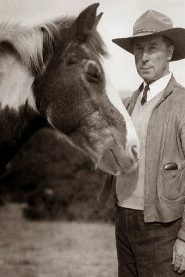
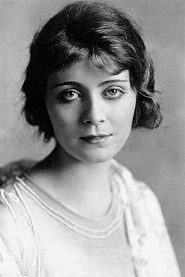
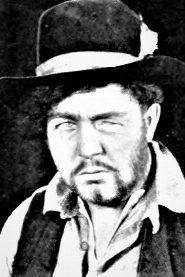
The film distinguishes itself by balancing conventional action with the personal stakes of the two brothers, Paul Marsden and the titular character. As the narrative unfolds, the tension shifts from a typical struggle over natural resources to an introspective look at how environment shapes character. For viewers who appreciate the evolution of the western, this work serves as an essential bridge between early stage-play sensibilities and the more kinetic storytelling that would define the genre in later decades. The presence of Fritz the Horse alongside lead actors like Jane Novak and Leo Willis captures the era’s unique reliance on animal performers, a tradition that remains a beloved staple in regional Indian cinema, where the bond between man and animal often mirrors the protagonist’s internal journey.
Audiences who enjoy historical curiosities will find this film particularly rewarding. It is not merely a relic of 1920s filmmaking but a foundational example of how directors like Hillyer used the camera to highlight the stark contrast between the halls of government and the open range. Those looking for a classic premise that predates modern cinematic tropes will appreciate the straightforward yet effective plotting. Whether one is a seasoned film buff or a casual fan of period pieces, the story of these twins offers a compelling look at how early Hollywood directors experimented with the dual-role narrative. It remains a noteworthy entry for anyone interested in the foundational building blocks of the action-drama, proving that the desire to see a hero step into an unfamiliar world is a timeless cinematic craving that persists across global industries.
Cast(9)