About Tomie: Unlimited
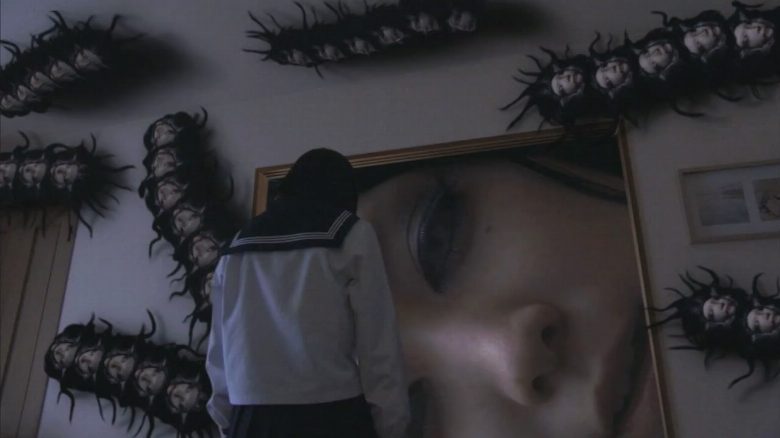
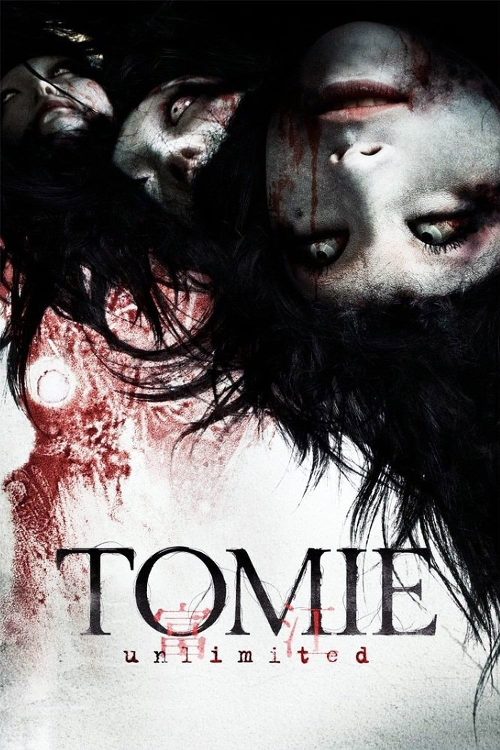
Tsukiko is part of the photography club at school, but has always felt less than her sister Tomie. She's cute and very popular among boys. However, one day, Tomie dies in a horrible accident, triggering endless nightmares for Tsukiko. One year later, right when Tomie was supposed to turn 18, someone knocks on the door. Tomie is back.
Japanese horror cinema has long been defined by its ability to externalize psychological trauma through the grotesque, and the 2011 entry Tomie Unlimited serves as a quintessential example of this visceral tradition. Directed by Noboru Iguchi, a filmmaker known for pushing the boundaries of surrealist extremity, the film reimagines the iconic supernatural entity created by manga legend Junji Ito. Rather than relying on traditional jump scares, the narrative centers on the toxic dynamic between two sisters, using the lens of a school photography club to explore themes of envy, inadequacy, and the haunting persistence of the past. By grounding the supernatural threat within the intimate, often cruel environment of a Japanese high school, the story transforms a tragic bereavement into a waking nightmare that refuses to stay buried.
The brilliance of this particular adaptation lies in how it balances character-driven drama with body horror. For audiences familiar with the regional trends of early 2000s J-horror, this film acts as a bridge between the atmospheric dread of older classics and the modern, more kinetic style of contemporary genre fare. It avoids the tired tropes of typical slasher films, opting instead for a lingering, dreamlike malaise that mirrors the lead character Tsukiko’s internal struggle. The tension is built through the stark contrast between the sisters, highlighting how the return of a deceased sibling can be far more terrifying than their loss. Viewers who appreciate slow-burn narratives where the atmosphere is as suffocating as the plot will likely find this take on the material particularly compelling.
Given Iguchi’s penchant for visual flair, the film is positioned as a stylized descent into madness that rewards viewers with a keen eye for aesthetic detail. It is an essential watch for those who follow the legacy of Japanese horror manga adaptations, as it captures the distinct, unsettling anatomy of the source material while maintaining a unique cinematic identity. Whether you are a devotee of the occult or simply a fan of dark, character-focused psychological thrillers, this film offers a chilling look at how resentment can manifest in the most monstrous of ways. It is a haunting exploration of sisterhood gone wrong, proving that even when a character is gone, the shadows they cast can continue to loom over those left behind long after the funeral candles have flickered out.