About Touki Bouki
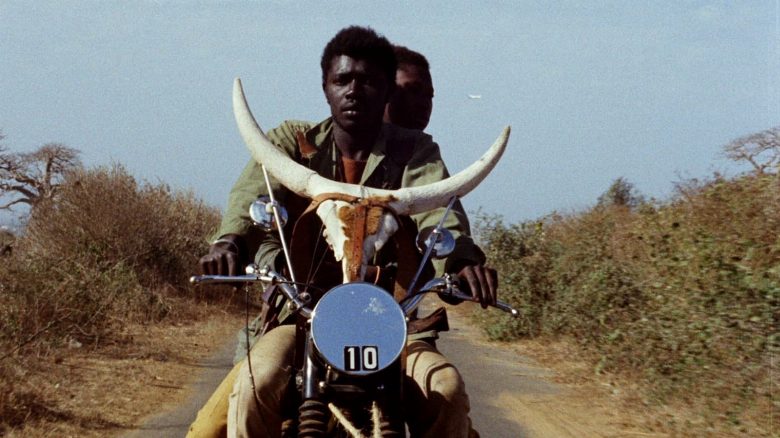
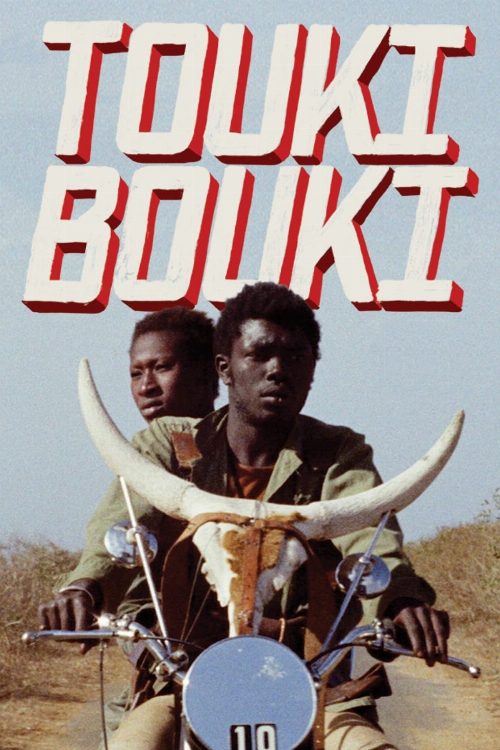
Mory, a cowherd, and Anta, a university student, try to make money in order to go to Paris and leave their boring past behind.
Few works of world cinema capture the restless spirit of post-colonial disillusionment with as much stylistic audacity as Djibril Diop Mambety’s 1973 masterpiece Touki Bouki. While the contemporary Indian cinema landscape often explores the tension between ancestral roots and urban aspirations through grand musical numbers or sprawling melodramas, this Senegalese gem achieves a similar emotional resonance through a jagged, experimental lens. The narrative follows two young lovers, Mory and Anta, who find themselves trapped in the stifling atmosphere of Dakar, dreaming of a glamorous escape to the French capital. Their quest for capital, fueled by a mixture of reckless schemes and youthful arrogance, serves as a poignant critique of the allure held by Western ideals over the hearts of the disenchanted youth.
The film stands apart from traditional dramas of its era by rejecting a linear, tidy progression in favor of a frenetic, dreamlike visual language. Mambety utilizes unconventional editing and a haunting soundscape to mirror the internal chaos of his protagonists, creating an experience that feels as much like an avant-garde poem as it does a character study. For viewers who appreciate the gritty, grounded realism found in modern Malayalam classics or the thematic intensity of parallel Indian cinema, this picture offers a fascinating cross-cultural bridge. It addresses the universal ache of wanting to flee one's environment to find a sense of self, a sentiment that resonates deeply with anyone familiar with the internal migration stories so prevalent in regional Indian industries today.
This is a essential watch for cinephiles who value formal innovation and the bold subversion of genre tropes. By stripping away the comfort of a standard hero journey, the director forces the audience to confront the harsh reality of identity in a world caught between tradition and modernity. Mambety’s legacy as a pioneer of African cinema is solidified here, as he crafts a fable that feels intentionally fragmented, much like the lives of the characters he portrays. It is a work for those who prefer their stories to challenge, provoke, and linger in the mind long after the final frame, serving as a reminder that the desire to reinvent oneself is a timeless, albeit often treacherous, pursuit. Those interested in how global directors navigate the complex intersection of local culture and global ambition will find this film to be an indispensable study in visual storytelling.