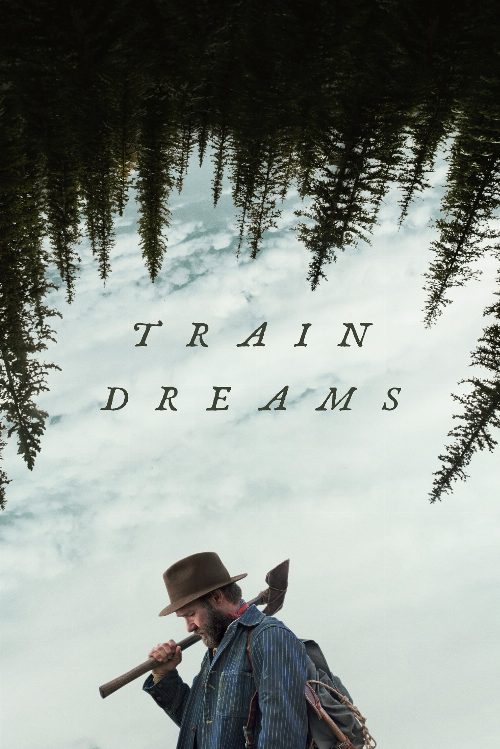
About Train Dreams
A logger leads a life of quiet grace as he experiences love and loss during an era of monumental change in early 20th-century America.
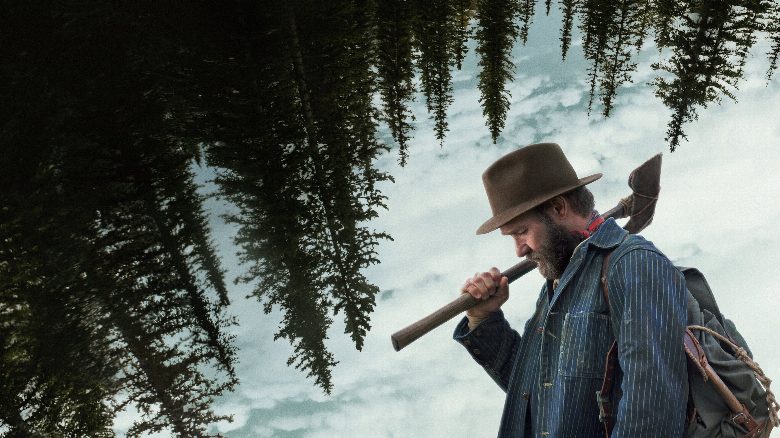
The vast, untamed wilderness of the American West serves as the backdrop for Train Dreams, a cinematic meditation on the vanishing act of the frontier lifestyle. Joel Edgerton anchors this atmospheric drama as a laborer whose existence is defined by the rhythmic solitude of the woods and the encroaching mechanical progress of a rapidly industrializing nation. Unlike many historical epics that prioritize grand political maneuvers, this film opts for a microscopic lens, focusing on the internal landscape of a man grappling with profound personal tragedies while the world shifts beneath his feet. Clifton Collins Jr. provides a compelling counterpoint, grounding the narrative in a palpable sense of human connection that feels both fragile and essential against the backdrop of an unforgiving, changing environment.
For enthusiasts of contemplative, character-driven storytelling, this project arrives as a welcome departure from the frenetic pacing of modern blockbuster cinema. Its aesthetic sensibilities evoke the quiet intensity found in recent elevated dramas, where silence speaks as loudly as dialogue. By stripping away the artifice of traditional period pieces, the production team invites the audience into a deeply intimate study of resilience and the elusive nature of the American dream. It is a film that demands patience, rewarding viewers who appreciate lyrical cinematography and performances that rely on subtle emotional shifts rather than explosive confrontation.
The project is particularly significant for those who follow the career arc of its lead, as Edgerton continues to gravitate toward projects that challenge the boundaries of the human spirit. The film feels positioned to resonate with audiences who find beauty in the intersection of nature and history, echoing the themes of solitary struggle often explored in acclaimed international cinema. As we watch the protagonist navigate his path through these pivotal decades, the story transcends its temporal setting to pose universal questions about what remains of us once our era has passed. It is an exploration of memory, loss, and the quiet dignity of a life lived on the fringes of society, making it an essential watch for anyone interested in the evolving language of contemporary dramatic filmmaking.