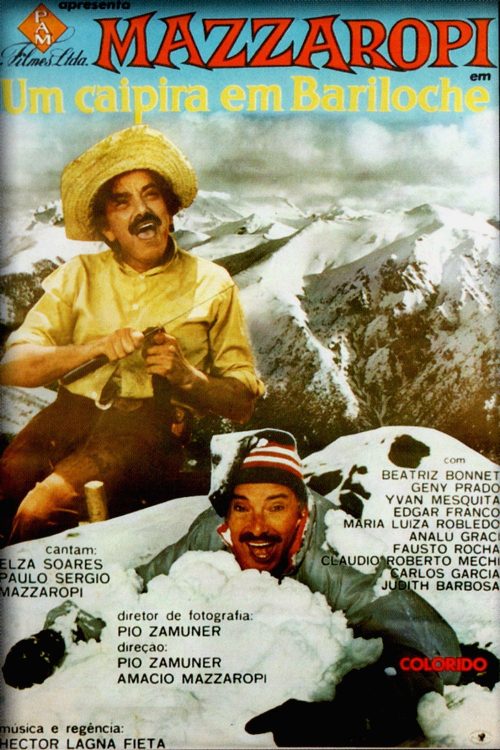
Um Caipira em Bariloche(1973)
About Um Caipira em Bariloche
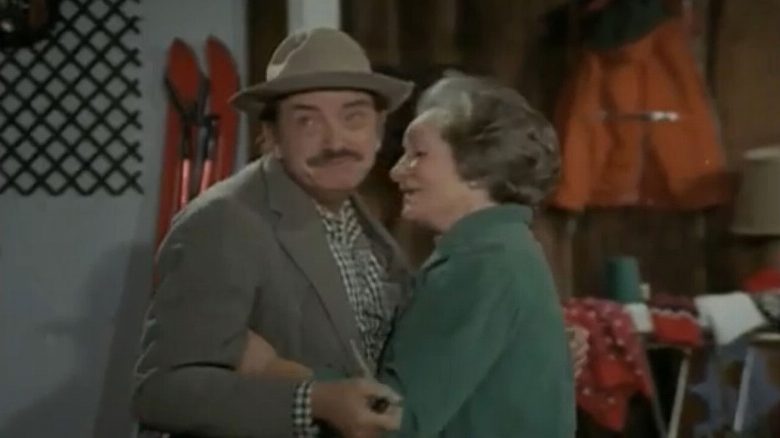
Polidoro is a naive farmer. Convinced by his daughter and son-in-law, he sells his farm to Agenor, a swindler and friend of his son-in-law. Through a trap, Polidoro travels to Bariloche while his farm is sold illicitly to third parties.
The cinematic landscape of 1970s Brazil often mirrored the rapid social shifts of the era, and Um Caipira em Bariloche stands as a quintessential artifact of the period’s popular comedy movement. At its heart, the film explores the clash between rural innocence and urban deception, centering on the character of Polidoro. Portrayed as a quintessential simpleton from the countryside, he becomes the primary target of an elaborate ruse orchestrated by his own kin. While modern audiences in the Indian film industry might recognize these tropes of familial betrayal and property disputes as staples of regional dramas in Tollywood or Bollywood, this specific production leans heavily into the slapstick and situational humor that defined Brazilian box office hits of that decade.
The narrative momentum picks up when Polidoro is lured away on a trip to the scenic slopes of Bariloche, effectively removing him from the chessboard so that his family and a deceitful associate can finalize the illicit transfer of his land. This premise serves as a vehicle for a broader commentary on the vulnerability of the agrarian class during a time of intense modernization. For those who appreciate the legacy of regional cinema, this film offers a fascinating look at how international settings were utilized in local productions to heighten the sense of displacement and comedy. It functions as a classic fish-out-of-water story, where the protagonist is literally and metaphorically taken for a ride, highlighting the stark contrast between his humble roots and the cosmopolitan illusion of his destination.
Viewers who enjoy character-driven comedies that rely on the vulnerability of a protagonist will likely find charm in the performance of the lead cast. The film captures a particular flavor of 1973 humor, emphasizing the comedic tension between the guileless farmer and the sharp, conniving city dwellers. It is a work that belongs to a specific lineage of South American entertainment, capturing a moment where the shift from rural life to predatory commercialism became a common thematic thread. For anyone interested in the global history of comedy and how different cultures portray the exploitation of the honest laborer, this film remains an engaging case study. It is less about the technical spectacle and more about the enduring appeal of the underdog who, despite being swindled, provides a window into the societal anxieties of the Brazilian public during a transformative decade.
Cast(1)

Crew
Director of Photography
Similar Films