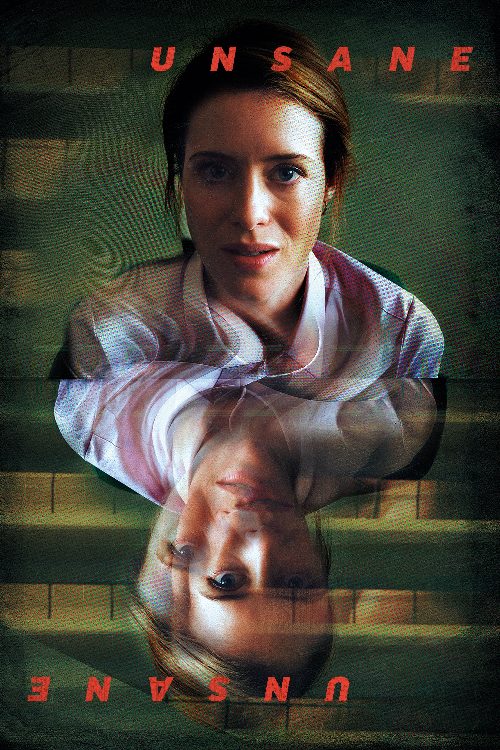
About Unsane
A woman is involuntarily committed to a mental institution where she is confronted by her greatest fear.
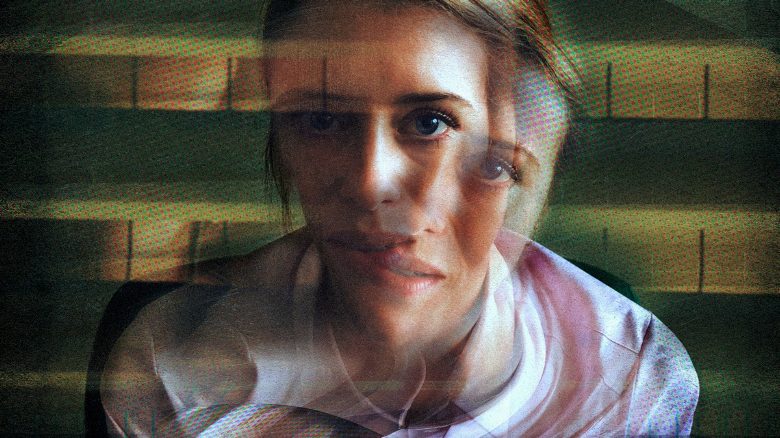
Steven Soderbergh has long been a filmmaker fascinated by the intersection of technology and human vulnerability, and Unsane serves as a stark, claustrophobic extension of that obsession. By choosing to shoot this psychological thriller entirely on an iPhone, the director strips away the polished veneer of Hollywood aesthetics to create a visceral, unsettling intimacy that mirrors the protagonist’s descent into a state of institutionalized paranoia. The narrative follows a young professional who finds her life upended when a routine visit to a medical facility results in her being held against her will. As she navigates the cold, bureaucratic corridors of a facility that feels more like a prison than a place of healing, the film shifts from a drama about past trauma into a high-stakes game of survival against an unseen adversary. It is a bold departure from traditional genre filmmaking, prioritizing raw visual textures that make the viewer feel as trapped as the characters on screen.
For audiences accustomed to the hyper-stylized world of modern horror, this film offers a refreshing, stripped-down alternative that relies on psychological tension rather than supernatural tropes. It taps into a universal fear of powerlessness, specifically the terrifying prospect of having one’s sanity questioned by a system designed to control rather than care. In the broader landscape of contemporary thrillers, it stands out for its commitment to a single-device visual language, a choice that enhances the voyeuristic and desperate nature of the lead character’s struggle. This is not merely a story about a woman being locked away; it is a sharp critique of how easily a person can be erased by legal loopholes and corporate greed. Fans of suspense who appreciate tight, character-driven narratives will find the pacing relentless and the atmosphere suffocatingly effective.
The strength of the film lies in how it forces the audience to question the reliability of the protagonist’s perspective, keeping everyone guessing until the final act. While it is a departure from the grand-scale epics often celebrated in global cinema, its technical audacity makes it a landmark project for independent storytelling. It is an ideal watch for those who enjoy cerebral films that lean into discomfort, proving that a compelling horror experience does not require expensive set pieces or elaborate lighting. By focusing on the fragility of personal autonomy, the movie captures a specific kind of modern anxiety that resonates long after the credits roll. It remains a masterclass in efficiency, demonstrating that a visionary director can elevate a simple premise into something profoundly unsettling and deeply memorable.
Cast(30)