About Vatel
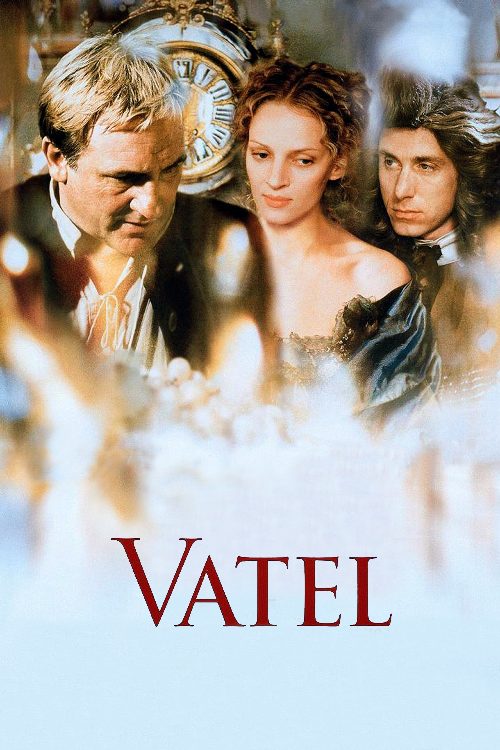
In 1671, with war brewing with Holland, a penniless prince invites Louis XIV to three days of festivities at a chateau in Chantilly. The prince wants a commission as a general, so the extravagances are to impress the king. In charge of all is the steward, Vatel, a man of honor, talent, and low birth. The prince is craven in his longing for stature: no task is too menial or dishonorable for him to give Vatel. While Vatel tries to sustain dignity, he finds himself attracted to Anne de Montausier, the king's newest mistress. In Vatel, she finds someone who's authentic, living out his principles within the casual cruelties of court politics. Can the two of them escape unscathed?
Stepping into the lavish world of seventeenth century France, Vatel offers a visually arresting examination of the crushing weight that rigid social hierarchies place upon the individual spirit. Set against the backdrop of a high-stakes visit from the Sun King, the film captures the frantic, almost grotesque excess required to sustain royal favor. While modern audiences often associate historical dramas with romanticized portrayals of court life, this production chooses instead to emphasize the logistical nightmare hidden behind the velvet curtains. It depicts a world where human worth is measured entirely by one's utility to the crown, framing the titular steward as a tragic figure caught in a machinery of vanity that he is far too refined to navigate.
The film stands out for its portrayal of the protagonist as a man of impeccable craftsmanship trapped in a service role that demands his total erasure. As played by Gerard Depardieu, the character exudes a weary integrity that contrasts sharply with the performative cruelty of the aristocracy surrounding him. The presence of Uma Thurman as a court figure who recognizes this inner nobility adds a layer of quiet longing to the narrative, providing the audience with a necessary emotional anchor amidst the cold calculations of the chateau. For fans of period pieces, the film functions as a stark reminder that beneath the powdered wigs and elaborate spectacles of the era lay a brutal environment where genuine emotion was the most dangerous luxury of all.
Given the current global fascination with stories that dismantle the myth of the elite, this film feels surprisingly relevant to contemporary viewers. It serves as a compelling bridge between traditional historical epics and modern character studies, appealing to those who enjoy seeing the internal struggles of workers pitted against systemic indifference. The direction maintains a focus on the pressure cooker atmosphere of the estate, ensuring that the tension remains palpable even during the most opulent displays of wealth. By avoiding the typical traps of historical melodrama and focusing on the crushing cost of maintaining decorum, the film secures its place as a sophisticated entry in the genre. It is an essential watch for anyone interested in the intersection of class, artistic devotion, and the suffocating demands of political survival.
Cast(17)