
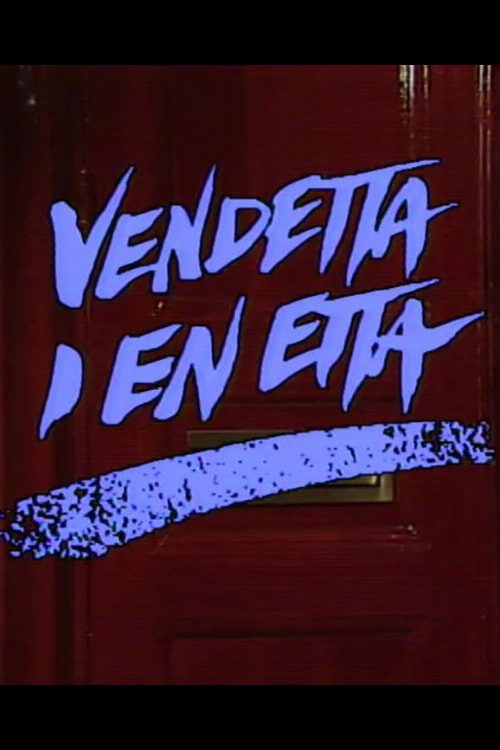
Vendetta i en etta(1988)
About Vendetta i en etta
Ragnar Eklund's 1988 Swedish thriller, Vendetta i en etta, offers a stark, claustrophobic exploration of escalating tensions within the confines of a single apartment, a setting that often amplifies psychological drama to unnerving degrees. The film centers on a protagonist whose seemingly ordinary life takes a dark turn when a group of individuals targets his residence, transforming his sanctuary into a battleground. This premise, while simple, promises a potent blend of suspense and the unsettling question of how far one would go to protect their personal space and sanity when faced with an inexplicable intrusion. It's a narrative that taps into primal fears of vulnerability and the disruption of domestic peace, themes universally resonant, yet often given a particularly bleak and introspective treatment in Nordic cinema.
While the film hails from Sweden, its core narrative of an individual's struggle against an encroaching external threat finds intriguing parallels with a growing trend in global cinema, including certain Indian language films that explore urban alienation and the breakdown of social order. Much like how Telugu thrillers sometimes delve into the psychological toll of crime or Tamil dramas dissect societal pressures within confined spaces, Vendetta i en etta appears to harness its restricted environment to heighten emotional intensity. The film distinguishes itself through its apparent focus on the psychological unraveling of its lead, portrayed by Johan Rabaeus, whose early career was marked by roles that often conveyed a raw intensity. Lena Endre and Ann Petrén, both notable figures in Swedish cinema, also lend their talents, suggesting a strong ensemble capable of delivering nuanced performances within this high-stakes scenario.
Vendetta i en etta is positioned as a film for those who appreciate character-driven thrillers that prioritize atmosphere and psychological depth over explosive action. Viewers who enjoy the slow burn of suspense, where the threat is as much internal as external, will likely find themselves drawn into its confined world. Ragnar Eklund, though perhaps not a household name globally, helms a narrative that feels timeless in its exploration of human resilience and desperation. Its focus on a single location and the dynamics between a limited cast could also appeal to cinephiles interested in how filmmakers maximize narrative impact within structural constraints, a technique often lauded in independent cinema worldwide. For fans of European thrillers that lean into existential dread and the fragility of security, this 1988 offering looks set to deliver a compelling, if unsettling, experience.