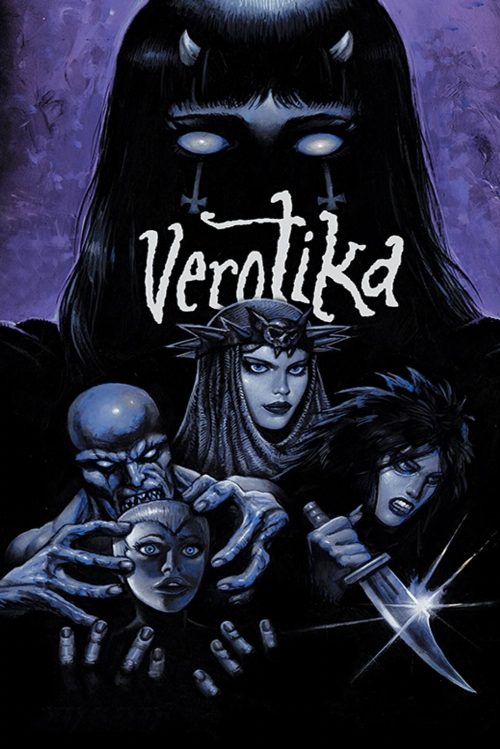
About Verotika
An anthology in which the erotic and horrific combine to create multiple ghoulish tales of bloodlust, murder, the occult and the forbidden.
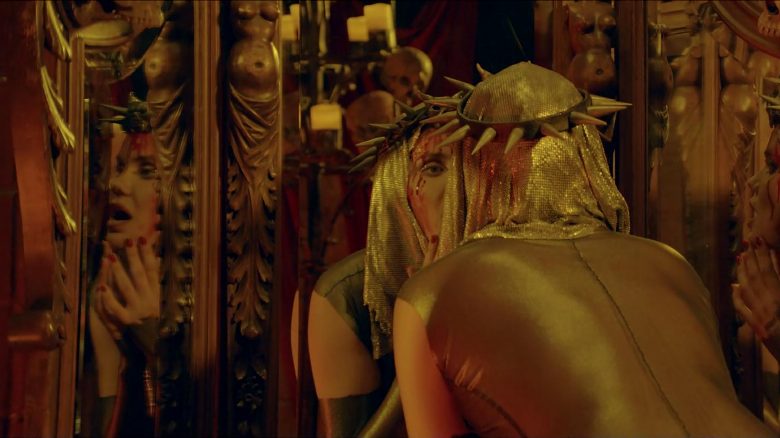
Stepping far outside the polished aesthetic of mainstream genre cinema, Verotika emerges as a bold experiment that blurs the lines between nightmare imagery and stylized pulp fiction. Directed by Glenn Danzig, the film functions as a triptych of dark narratives, drawing heavily from the underground comic book tradition where high-contrast shadows and visceral shock take precedence over traditional dramatic structures. While audiences accustomed to the sleek production values of contemporary Hollywood horror might find the film jarring, those who appreciate the raw, unrefined energy of cult cinema will recognize an attempt to capture the essence of vintage exploitation features. It stands as a curious outlier in modern independent film, rejecting the current trend of psychological tension in favor of a direct, unapologetic approach to the macabre.
The cultural footprint of Verotika is defined by its commitment to an aesthetic that feels plucked from the fringes of the eighties, making it a polarizing entry for viewers. In an era where Indian cinema is increasingly dominating global conversations through high-concept mythological epics and gritty regional thrillers, this American production offers a starkly different flavor of storytelling. It prioritizes mood and grotesque visual motifs over complex dialogue, positioning itself as a piece of performance art rather than a narrative-driven experience. For fans of the horror anthology format, it serves as a litmus test for how much stylistic dissonance one can handle, especially when the director leans so heavily into the visual language of his own musical background.
This production is specifically tailored for a niche audience that finds beauty in the transgressive and the bizarre. If you are a devotee of grindhouse tropes or an admirer of low-budget creative risks, the film provides a platform for imagery that is rarely seen in mainstream distribution. It is not designed to appeal to the sensibilities of a general audience looking for polished scares, but rather to those who treat horror as a subculture with its own distinct rules and visual lexicon. By stripping away modern cinematic polish, the film forces the viewer to engage with its grim, occult-inspired segments on their own terms. Ultimately, the project captures the spirit of a creator operating entirely outside the confines of the industry establishment, resulting in a work that feels like a relic from a lost era of midnight movies.
Cast(57)