We Were Dangerous(2024)
About We Were Dangerous
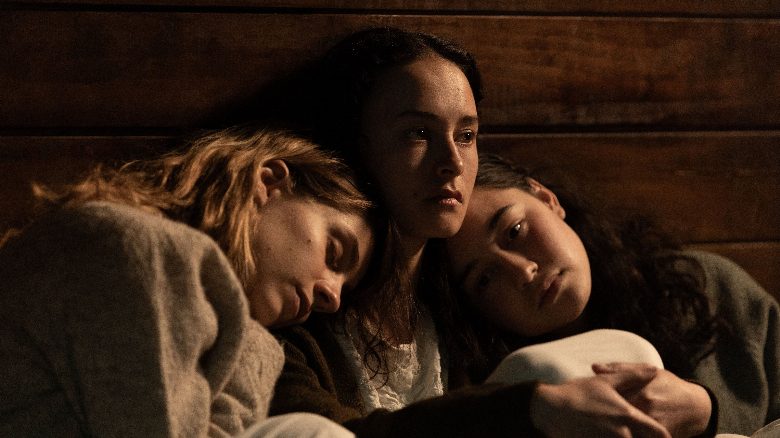
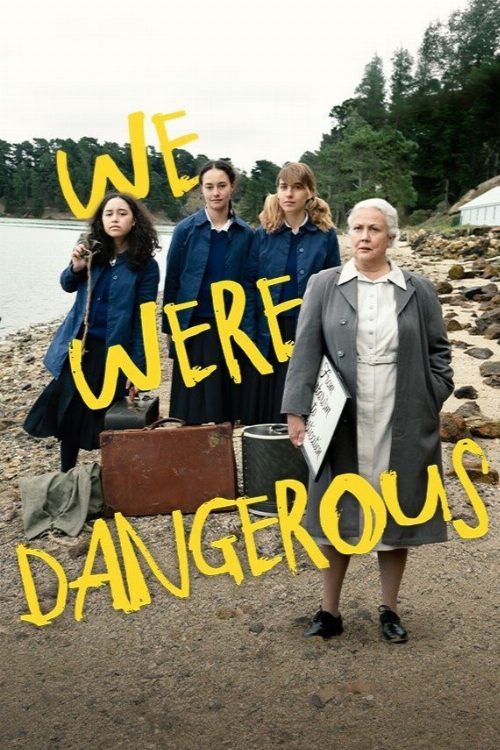
Nellie, Daisy and Lou attend an institution for delinquent girls on an isolated island in 1954. The trio rail against the system, finding strength in their friendship but this is challenged when the school's matron divides them.
Stepping away from the hyper-masculine action landscapes that often dominate international cinematic discourse, We Were Dangerous offers a piercing, intimate look at the resilience of youth against an unforgiving establishment. Set against the backdrop of a mid-century reformatory school, the film captures the volatile energy of three young women navigating an environment designed to crush their spirits and sanitize their individuality. While the story is firmly rooted in the historical reality of the 1950s, the themes of institutional oppression and the enduring power of female solidarity feel strikingly contemporary. Director Josephine Stewart-Te Whiu crafts a narrative that avoids the tropes of typical period dramas, opting instead for a gritty, tactile approach that emphasizes the sensory experience of isolation.
The film stands out for its refusal to treat its protagonists as mere victims of their circumstances. Instead, it highlights the rebellious sparks that define their bond, creating a poignant contrast between the sterile, cold authority of the institution and the raw, uninhibited loyalty shared among the leads. For audiences accustomed to the high-stakes emotional gravity found in the best of Malayalam or Tamil independent dramas, where social structures are often interrogated through deeply personal arcs, this film provides a similarly resonant experience. It speaks to a global appetite for stories that center on the marginalized, particularly those highlighting how young people forge their own identities when the world tries to force them into a predefined mold.
Viewers who appreciate character-driven narratives with a touch of defiance will find much to admire here. The performances from the central cast bring a necessary depth to the script, grounding the more intense dramatic sequences in genuine human connection. As the plot unfolds and the matron begins her calculated efforts to fracture their group, the tension shifts from external conflict to an internal struggle for self-preservation. This is an essential watch for those who track the evolution of global independent cinema, as it showcases a director confident in her ability to balance aesthetic precision with a sharp, uncompromising social critique. By focusing on the small acts of resistance that occur in the shadows of authority, the film cements its status as a compelling character study that lingers in the mind long after the final frames.
Cast(34)