About When Harry Met Sally...
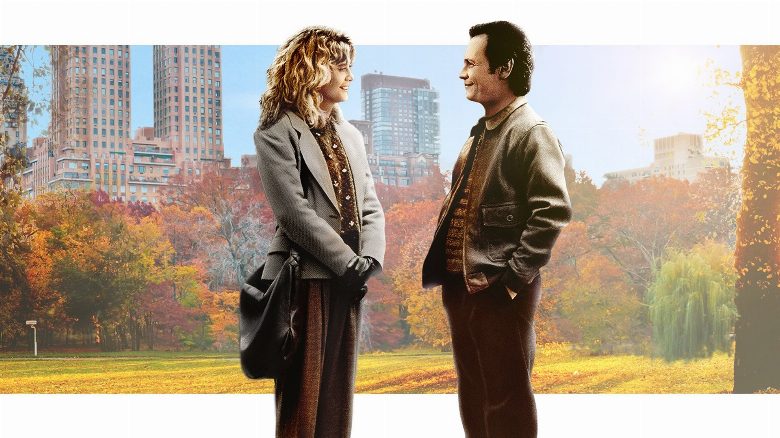
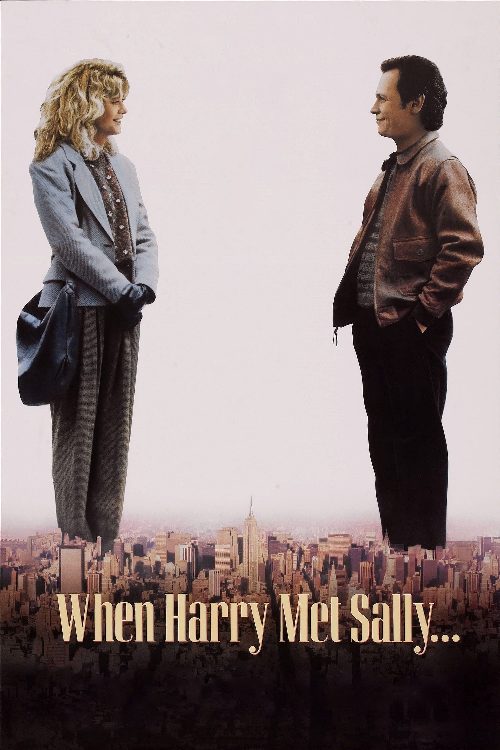
Sex always gets in the way of friendships between men and women. At least, that's what Harry Burns believes. So when Harry meets Sally Albright and a deep friendship blossoms between them, Harry's determined not to let his attraction to Sally destroy it. But when a night of weakness ends in a morning of panic, can the pair avoid succumbing to Harry's fears by remaining friends and admitting they just might be the perfect match for each other?
Few romantic comedies have managed to capture the frantic, intellectual pulse of urban life as sharply as the 1989 classic When Harry Met Sally. While modern Indian cinema, particularly in the Telugu and Hindi industries, has recently leaned into grand spectacles and high-stakes action dramas, there remains a timeless charm in this character-driven exploration of platonic boundaries. The film posits a provocative question about whether men and women can truly coexist without romantic complications, a theme that feels just as relevant to contemporary global audiences as it did decades ago. By focusing on the shifting dynamics of a long-term connection, the narrative moves away from the typical love-at-first-sight tropes that define so many genre staples, instead opting for a slow-burn evolution that feels remarkably authentic.
For viewers who appreciate the wit found in the finest Malayalam or Tamil urban dramas, this film offers a masterclass in sharp dialogue and observational humor. Meg Ryan delivers a performance that anchors the film in vulnerability and intellect, creating a fascinating foil to the cynicism voiced by her counterpart. It is this specific chemistry that sets the movie apart, transforming what could have been a standard encounter into a layered examination of intimacy. The direction prioritizes conversation over spectacle, allowing the protagonists to navigate their evolving feelings through a series of chance meetings that span years. The result is a film that breathes, giving the audience enough space to watch the characters grow, falter, and eventually confront the inevitable reality of their bond.
This production is essential viewing for anyone who enjoys stories where the scenery of a city acts as a silent character in the unfolding drama. Much like the best ensemble pieces coming out of the Indian independent circuit today, it relies heavily on the strength of its writing to carry the emotional weight. Fans of intellectual comedies who prefer character growth over forced plot twists will find much to admire here. It remains a definitive benchmark for the genre, proving that the most compelling conflicts often occur not through external drama, but through the internal realization that a life-changing partner may have been standing right in front of you all along. Whether you are revisiting the classic or discovering it for the first time, the film stands as a testament to the idea that love is often the byproduct of a friendship that refuses to be ignored.
Cast(41)