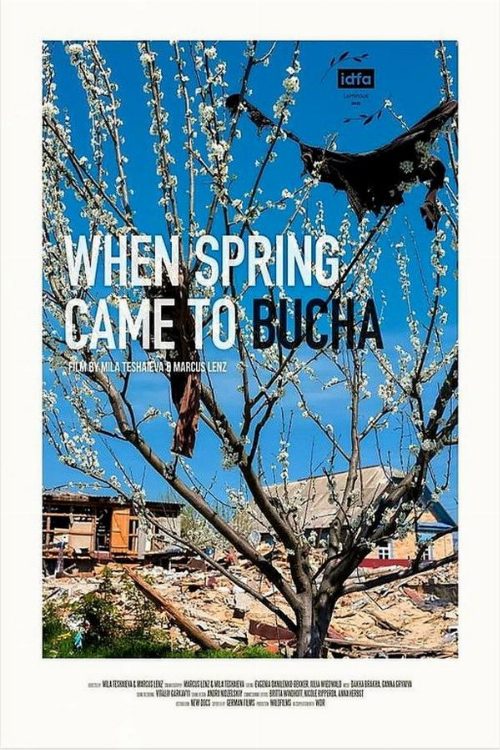
About When Spring Came to Bucha
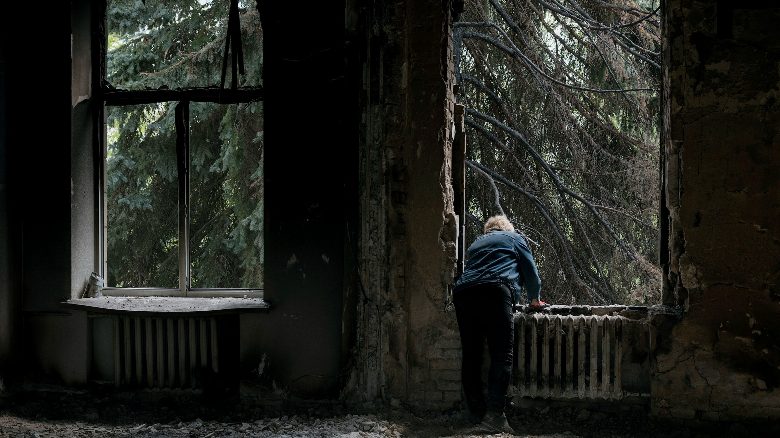
Russians bombarded Bucha, Borodyanka, Irpin and other cities in the region following their invasion of Ukraine on February 24, 2022. By the time they retreated a month later, the damage was huge: buildings had been destroyed and there were corpses lying in the streets. Filmmakers Mila Teshaieva and Marcus Lenz went in immediately, in time to film local people emerging from their shelters, but never showing the actual atrocities. That wasn’t necessary, as the trauma of war is clear to see on everyone’s faces, including those of the volunteers who rushed in from far and wide to help.
The haunting quiet that descends upon a landscape once ravaged by conflict carries a weight far heavier than the sounds of battle itself. In the documentary When Spring Came to Bucha, filmmakers Mila Teshaieva and Marcus Lenz shift the lens away from the sensationalist imagery often associated with modern warfare, choosing instead to document the profound, hollowed-out stillness of a community forced to reconcile with its own survival. Rather than leaning on graphic depictions of violence, the film focuses on the visceral experience of citizens stepping out from the shadows of subterranean shelters to witness the physical and psychological wreckage of their homes. It is a stark observation of resilience, capturing the precise moment when the instinct for survival transitions into the agonizing work of communal grieving and reconstruction.
For global audiences accustomed to the high-octane, hero-centric narratives often produced by mainstream commercial industries, including the vibrant and frequently stylized landscapes of Indian cinema, this documentary serves as a meditative counterpoint. While Telugu or Hindi films might occasionally tackle political unrest through the prism of grand melodrama or stylized action, this British production operates with an austere, observational intimacy. It demands a different kind of engagement from the viewer, one that requires patience and a willingness to confront the mundane details of post-conflict life. It is an essential watch for those interested in the humanistic side of geopolitics, where the focus remains steadfastly on the individuals who must pick up the pieces long after the news cameras have moved on to the next headline.
The direction by Marcus Lenz reflects a deliberate restraint that elevates the film from a mere chronicle of events to a poignant study of human endurance. By positioning the camera as a silent witness to the volunteers arriving to clear the debris and the residents beginning to navigate their altered reality, the documentary strips away the political noise to reveal the universal scars of displacement. This is not a film designed for casual viewing, but rather for those who appreciate cinema as a tool for empathy and reflection. By choosing to highlight the aftermath rather than the strike, the filmmakers ensure that the audience is left contemplating the enduring echoes of a tragedy that continues to shape the modern world, making it a significant addition to the contemporary documentary canon.