
About When Will I Be Loved
Feeling undervalued by her boyfriend, a young woman begins to explore her sexuality with other people.
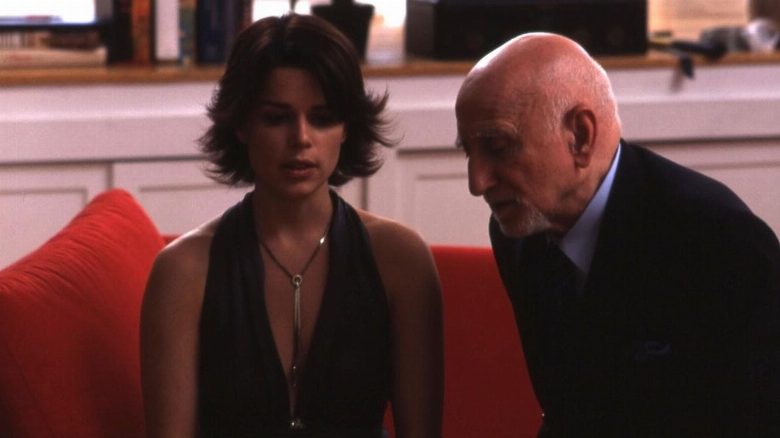
James Toback has long occupied a singular space in American independent cinema, often choosing to strip away the artifice of interpersonal relationships to reveal the raw, uncomfortable power dynamics hidden beneath. When Will I Be Loved serves as a quintessential example of his confrontational approach to storytelling. By focusing on the shifting alliances and psychological games played by a woman dissatisfied with her current partner, the film bypasses the standard tropes of romantic dramas. Instead, it leans into the territory of a psychological thriller, where every conversation feels like a tactical maneuver and every romantic gesture carries an undercurrent of transaction. While many films in this genre rely on conventional melodrama, this project stands apart by prioritizing the unpredictable nature of desire and the cold calculus that often governs human intimacy.
For audiences accustomed to the polished narratives found in mainstream Hollywood, this film offers a jarring, stripped-back experience that feels more akin to the experimental edge of contemporary world cinema. It captures a specific mid-nineties to early-noughties aesthetic of urban detachment, a mood that resonates with the character-driven intensity often explored in modern indie features. Viewers who gravitate toward films that challenge their comfort zones will find much to dissect here, particularly in how the lead character navigates her surroundings with a sense of agency that defies easy moral categorization. It is a work designed to provoke debate rather than provide simple answers, making it a polarizing but undeniably magnetic entry in the director’s filmography.
The casting choices underscore the film’s commitment to an unconventional tone, blending established character actors with figures from outside the traditional acting sphere to create a sense of unpredictable energy. This strategy forces the audience to engage with the performances on a more visceral level, as the interactions lack the predictable rhythm of standard scripted dialogue. Anyone with an interest in the evolution of American independent film will recognize this as a bold experiment in observational storytelling. It functions as a mirror reflecting the complexities of modern attraction, posing difficult questions about loyalty and self-worth that remain relevant long after the credits roll. Whether or not one agrees with the path the protagonist chooses, the film succeeds in forcing a deeper examination of the hidden blueprints that structure our most private connections.
Cast(10)