
About Where'd You Go, Bernadette
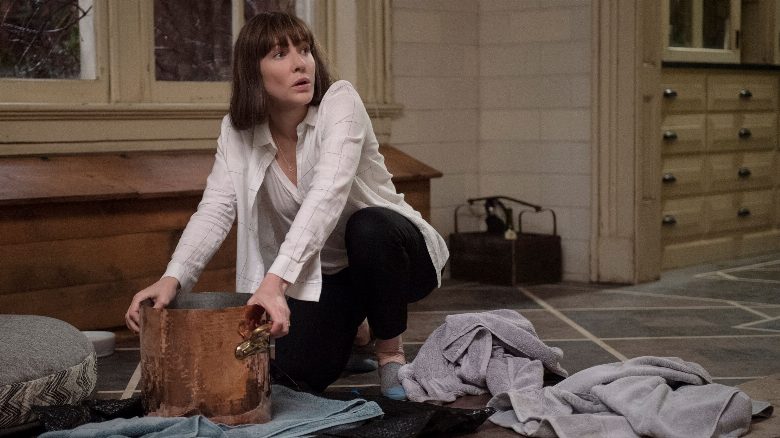
When architect-turned-recluse Bernadette Fox goes missing prior to a family trip to Antarctica, her 15-year-old daughter, Bee, goes on a quest with Bernadette's husband to find her.
Richard Linklater has long been a master of capturing the fluid nature of human identity and the passage of time, and his adaptation of Where Did You Go Bernadette feels like a natural extension of his inquisitive filmography. While the Indian film industry often leans into sweeping family sagas or intense genre spectacles, this project offers a refreshing change of pace for international cinephiles who appreciate character-driven storytelling. At its heart, the film explores the suffocating weight of unrealized creative potential, centering on a brilliant architect who has retreated from the public eye. When she suddenly vanishes before an Antarctic voyage, the narrative pivots into a mystery that is less about the mechanics of a disappearance and more about the fractured relationships within an upper-middle-class household.
Cate Blanchett brings an unmistakable intensity to the title role, portraying a woman whose sharp intellect has become her own prison. Her performance is the anchor of the film, providing a sophisticated look at the mental toll of suppressing one’s true calling for the sake of societal expectations. For audiences accustomed to the high-stakes dramas found in Tollywood or Bollywood, this film functions as an intimate study of domestic malaise. It examines how a mother, wife, and former visionary navigates the expectations placed upon her, making it a compelling watch for those who enjoy psychological dramas that prioritize internal conflict over explosive action. The chemistry between the cast members adds a layer of warmth to what could have otherwise been a chilly, clinical character study.
Ultimately, this movie stands out for its willingness to embrace the eccentricities of its protagonist without resorting to easy caricatures. It is designed for viewers who appreciate a slow-burn narrative that values dialogue and emotional discovery. Linklater treats the protagonist not as a victim, but as a person grappling with the complex intersection of motherhood and genius. By shifting the perspective to her daughter, the film introduces a sense of wonder and urgency, balancing the weightier themes with moments of levity. It serves as a reminder that even those who seem to have everything can feel entirely lost, a universal sentiment that resonates deeply across diverse cultural landscapes. Whether you are a fan of cerebral American independent cinema or simply looking for a nuanced exploration of mid-life crisis, the film offers a thoughtful, visually distinct experience that lingers long after the final frame.
Cast(108)