
About Who We Are Now
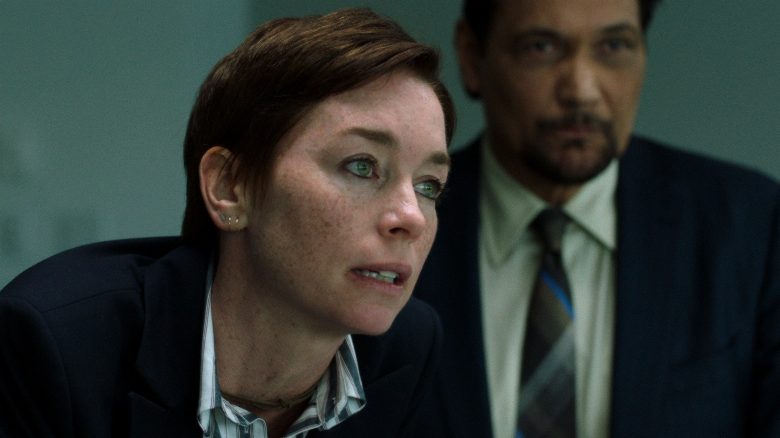
Recently released from prison, Beth is working with her public defender to get her son back from her sister, who was awarded legal custody while Beth was incarcerated for ten years. Soon after, Beth forms an unlikely alliance with Jess, an idealistic young protégé of the public defense team, who decides to take on Beth's cause whether she likes it or not.
The quiet tension of post-incarceration life serves as the emotional bedrock for Who We Are Now, a poignant drama that bypasses the typical cliches of the genre to focus on the grueling reality of bureaucratic hurdles and fractured family bonds. Instead of leaning into sensationalism, the film examines the quiet desperation of a woman attempting to rebuild a life that was effectively erased during a decade of confinement. By grounding the narrative in the relationship between an estranged mother and a driven legal advocate, the story highlights the systemic barriers that often make redemption feel like an impossible climb. It is a character study that prioritizes small, authentic moments over dramatic reveals, offering a grounded look at the heavy toll of separation and the fragile nature of second chances.
This intimate production stands out in the contemporary landscape by prioritizing human vulnerability over high-stakes legal theatrics. For viewers who appreciate the nuanced storytelling often found in independent cinema, or those who enjoy the character-driven depth prevalent in modern Malayalam or Tamil dramas where the focus remains steadfastly on the domestic struggle, this film provides a compelling experience. The chemistry between the leads helps navigate the complex power dynamics of their alliance, transforming what could have been a standard underdog procedural into an insightful exploration of privilege and personal growth. It is a thoughtful examination of how two very different women find common ground while navigating a legal system that rarely accounts for the complexities of the human heart.
The project benefits significantly from a cast that manages to convey deep-seated exhaustion and renewed hope without ever needing to overstate the stakes. While it functions as a standalone work, it fits perfectly within the tradition of films that ask difficult questions about how society treats those attempting to reintegrate after a long absence. Fans of slow-burn narratives will likely find the pacing rewarding, as it mirrors the patience required to mend broken relationships. By focusing on the intersection of professional ambition and personal empathy, the film invites the audience to consider the personal cost of justice. It remains a stark, honest reminder that the path to reclaiming one's identity is rarely linear, making it a must-watch for anyone who values cinema that challenges the viewer to look closer at the silent, everyday battles fought behind closed doors.
Cast(42)