About Winter Kept Us Warm
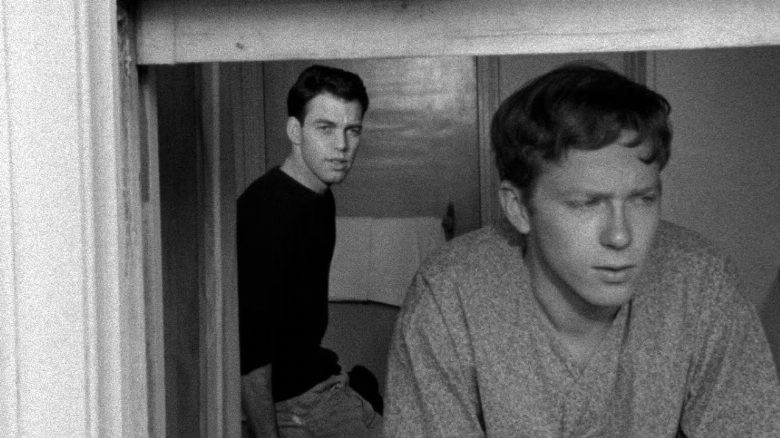
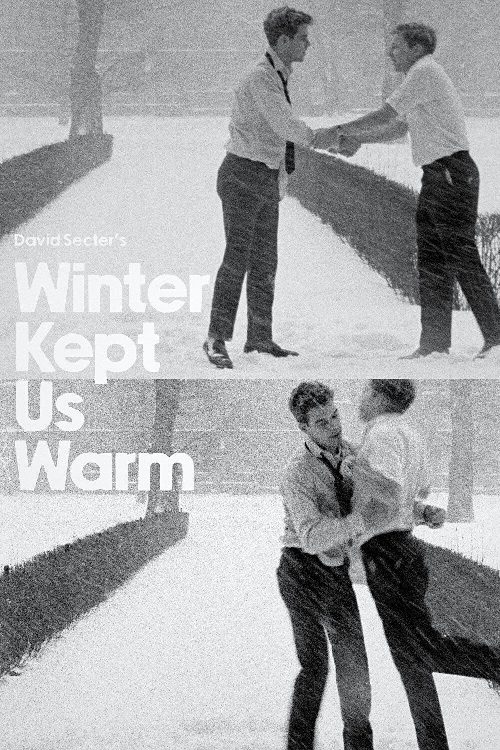
It is the 1960s at the University of Toronto. Doug is a well-liked senior with an equally popular girlfriend. Peter is a shy Finnish freshman who is new to the big city. The two become best friends and begin doing all sorts of activities together — until Doug starts viewing their relationship differently.
Stepping back into the mid-sixties, Winter Kept Us Warm serves as a poignant time capsule of a transitional era in independent cinema. Set against the backdrop of the University of Toronto, this modest drama captures the delicate friction between expectation and identity during a period when collegiate life was undergoing a seismic shift. Unlike the polished studio productions of its time, David Secter’s work feels intimate and unvarnished, grounding its narrative in the quiet tension between a confident senior and a reserved newcomer. While global audiences today might be more accustomed to the high-octane spectacle of modern Telugu or Hindi blockbusters, this film offers a fascinating look at the roots of North American indie storytelling, emphasizing character studies over elaborate set pieces.
The story centers on the unexpected bond between Doug and Peter, two students from disparate worlds whose lives intersect in the cold, gray atmosphere of urban academia. What begins as a classic coming-of-age camaraderie slowly begins to fray as the protagonists navigate the unspoken pressures of their environment. For viewers who appreciate the nuanced, emotionally charged dramas often found in contemporary Malayalam or Tamil parallel cinema, this film offers a similar depth of psychological observation. It avoids easy melodrama, choosing instead to explore the subtle shifts in male friendship and the internal confusion that arises when long-held assumptions are suddenly challenged by newfound feelings.
For fans of historical film movements, this production represents a significant milestone in Canadian filmmaking, reflecting a gritty, realistic aesthetic that was just beginning to find its voice. David Secter’s direction leans into the isolation of his environment, using the harsh winter landscape as a mirror for the emotional distance between his leads. Those who enjoy character-driven narratives that favor introspection over plot-heavy twists will find much to admire here. It is a contemplative piece, ideal for cinephiles interested in how the concept of the outsider has been portrayed throughout cinematic history. By focusing on the unspoken, the film manages to feel remarkably timeless, resonating with anyone who has ever grappled with the gap between who they are expected to be and who they are truly becoming.