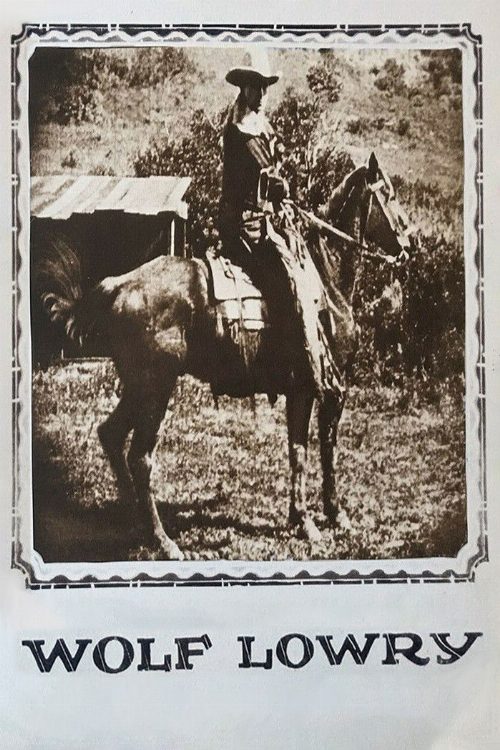
About Wolf Lowry
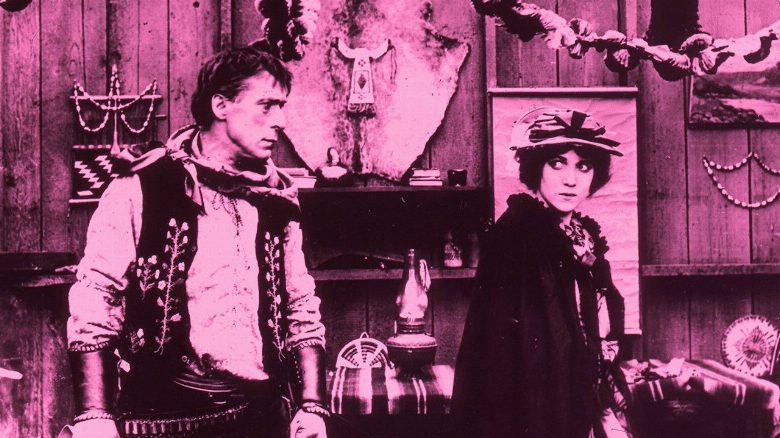
Tom "Wolf" Lowry confronts new settlers in his valley but has a change of heart when he sees Mary Davis.
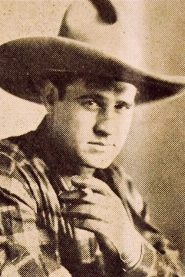
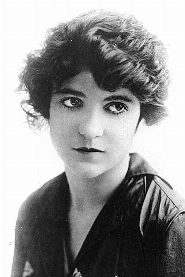
The silent era of Hollywood often distilled human morality into stark landscapes, yet few performers captured the rugged duality of the American West quite like William S Hart. In Wolf Lowry, Hart leans into his signature persona, portraying a stoic frontiersman whose isolated existence is defined by a fierce protectiveness over his territory. Unlike many of his contemporaries who leaned into the polished aesthetics of early studio filmmaking, Hart favored a gritty, authentic realism that resonated deeply with audiences of the late 1910s. The film centers on a protagonist who functions as the law unto himself, guarding his valley against the encroachment of arriving pioneers. The narrative tension hinges on how a man accustomed to solitude and defensive hostility navigates the arrival of a woman, played by Margery Wilson, whose presence threatens to dismantle his carefully constructed walls of cynicism.
This film remains a fascinating case study for those interested in the evolution of the Western genre, serving as a bridge between the simplistic morality plays of the early cinema and the psychologically complex character studies that would follow decades later. For modern viewers, Wolf Lowry offers a glimpse into the foundational tropes of the genre, specifically the transformation of the hardened outlaw through the influence of romance. It is an essential watch for students of film history who want to understand the origins of the brooding, anti-hero archetype that eventually became a staple of global cinema. While the pacing reflects the stylistic conventions of its time, the underlying themes of territoriality and redemption feel surprisingly contemporary, echoing the internal conflicts often found in the high-stakes dramas of modern Indian regional cinema, where the lone vigilante is a frequently recurring figure.
William S Hart brought a unique credibility to his roles, often utilizing his own experiences to imbue his characters with a sense of lived-in weariness that was rare for the period. In this feature, he directs his own performance with a distinct focus on the landscape as a mirror for the protagonist internal state. The chemistry between Hart and Wilson provides the emotional anchor for the film, elevating what could have been a standard standoff into a nuanced exploration of character growth. Audiences who appreciate the slow-burn intensity of classic storytelling will likely find this production a compelling piece of craftsmanship. It stands as a testament to an era when a single glance or a subtle shift in posture could convey as much narrative weight as pages of modern dialogue, proving that the most enduring stories are often those told with the fewest words.