About Woman of the Hour
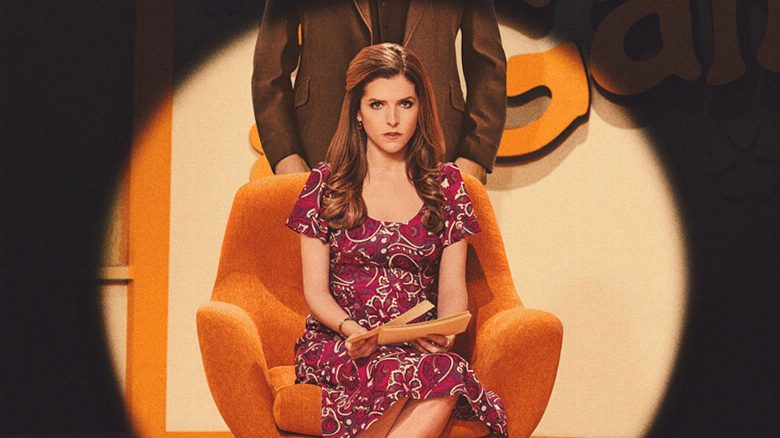
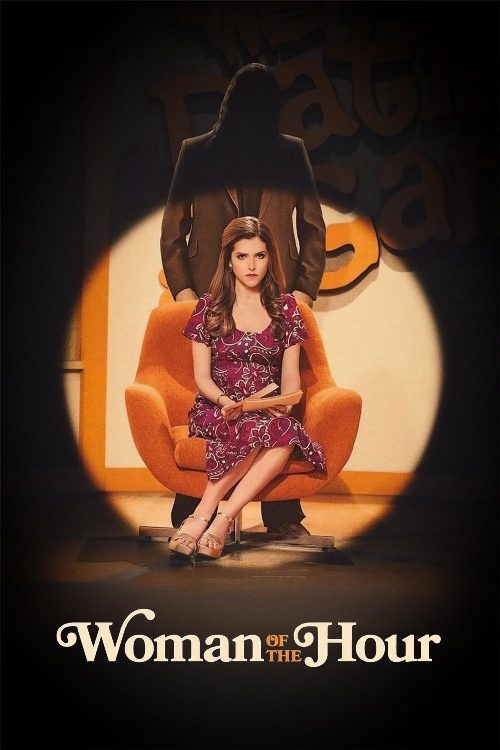
An aspiring actress crosses paths with a prolific serial killer in '70s LA when they're cast on an episode of "The Dating Game."
Anna Kendrick steps behind the camera for her directorial debut in Woman of the Hour, a chilling exploration of gender dynamics and predatory behavior set against the vibrant but dangerous backdrop of 1970s Los Angeles. While the film draws from the true crime fascination that continues to dominate global streaming platforms, it distinguishes itself by focusing less on the mechanics of violence and more on the psychological claustrophobia experienced by women navigating public spaces and entertainment industries. By weaving together the glitzy facade of a popular television game show and the shadow of a lethal criminal, the movie captures a specific era where the line between celebrity and catastrophe felt perilously thin. This approach mirrors the recent trend in Indian cinema where filmmakers are increasingly moving away from stylized hero-centric narratives to examine systemic issues, suggesting that the universal nature of this story will resonate deeply with audiences accustomed to high-stakes suspense and social commentary.
The narrative centers on a hopeful performer who finds herself auditioning for a spot on a show that promises fame but delivers a harrowing encounter with a man whose charming exterior masks a monstrous reality. It is a taut psychological thriller that demands the audience pay attention to the subtle cues of discomfort often dismissed in social settings. For fans of investigative dramas or those who appreciate character-driven tension, this film offers a grounded perspective that avoids the sensationalism typical of the genre. It serves as a stark reminder of how public personas can be weaponized to hide dark intentions, a theme that feels particularly relevant in our current digital age where visibility is often equated with safety.
Given Anna Kendrick's history as a performer known for her sharp wit and emotional versatility, her transition to directing provides a fresh lens through which to view a well-documented piece of history. The production values successfully evoke the hazy, golden-hued aesthetic of the seventies while maintaining the persistent, low-frequency dread required for an effective thriller. Viewers who enjoy films that prioritize atmosphere and performance over jump scares will find this a compelling watch. It is positioned as a must-see for those who track the evolution of the thriller genre, showcasing a filmmaker who understands how to build suspense through dialogue and stolen glances rather than just action sequences. This release marks a significant moment for the genre, proving that the most effective horror is often found in the reality of human interaction rather than the supernatural.
Cast(38)