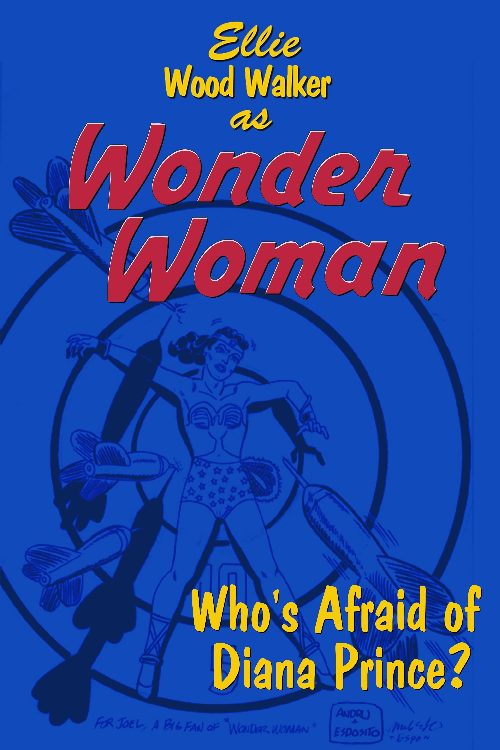
Wonder Woman: Who's Afraid of Diana Prince?(1967)
About Wonder Woman: Who's Afraid of Diana Prince?
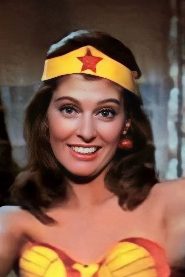
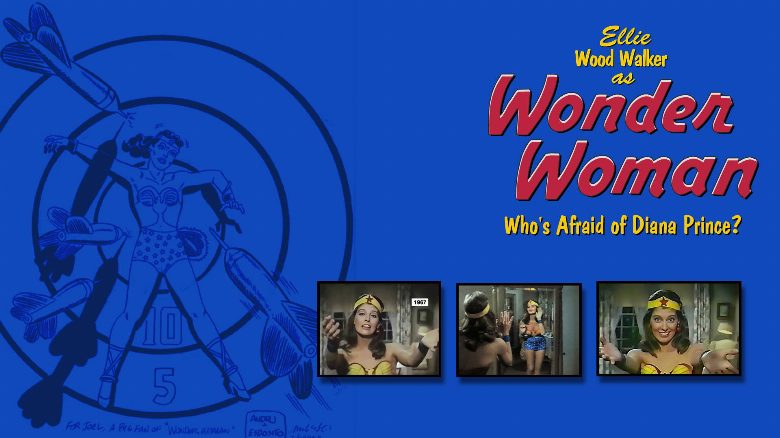
The first attempt to translate Wonder Woman to the small screen in 1967. Diana lives with her mother close to a United States Air Force base. Much of the film consists of her mother berating Diana about not having a boyfriend. When her mother leaves the room, Diana changes into her Wonder Woman costume and admires her reflection in a mirror. What she sees is not Diana Prince, but rather a sexy super-heroic figure (played by Linda Harrison) who proceeds to preen and pose as the song "Oh, You Beautiful Doll" plays on the soundtrack.
Long before the modern era of interconnected cinematic universes and high-budget superhero spectacles, the concept of bringing a comic book icon to live action was a vastly different endeavor. The 1967 television pilot Wonder Woman Who Is Afraid of Diana Prince stands as a curious relic of a time when the genre was viewed primarily through a campy, satirical lens. Rather than leaning into the mythic origins or the grand destiny of an Amazonian warrior, director Leslie H. Martinson chose to ground the character in the domestic anxieties of the mid-sixties. By framing the protagonist as a woman constantly pressured by her mother to secure a husband, the film highlights a stark disconnect between societal expectations of the decade and the burgeoning potential of female power. It is a fascinating snapshot of how pop culture struggled to define what a modern woman might look like on screen when stripped of her traditional mythological context.
For viewers interested in the history of television or the evolution of comic book adaptations, this production offers a unique look at a failed transition. It eschews the gravity we associate with contemporary blockbusters, opting instead for a lighthearted and somewhat bizarre portrayal of personal identity. While modern audiences are accustomed to seeing heroes face off against global threats, here the conflict is entirely internal and suburban. The visual shift between the mundane life of Diana and her idealized superhero reflection serves as a tongue-in-cheek commentary on self-image rather than a battle against evil. Because it predates the serious tone of later adaptations by nearly a decade, it is best enjoyed as a piece of kitsch entertainment that captures the whimsical and sometimes confused spirit of late sixties television.
The film is ultimately a time capsule, serving as a reminder that the path to bringing iconic characters to the screen is rarely a straight line. By placing the narrative in the shadow of an Air Force base, the creative team attempted to marry the military aesthetic of the era with the vibrant, colorful nature of comic art. It remains a polarizing curiosity for enthusiasts of the genre, particularly those who appreciate the sheer absurdity that sometimes defined early attempts at live-action adaptation. Whether one views it as a misfire or a charming experiment, its presence in the archives of television history is undeniable. It provides a rare glimpse into a version of a legendary hero that never quite took flight, yet paved the way for the more robust and empowered representations that would follow in the decades to come.