You'll Like My Mother(1972)
About You'll Like My Mother
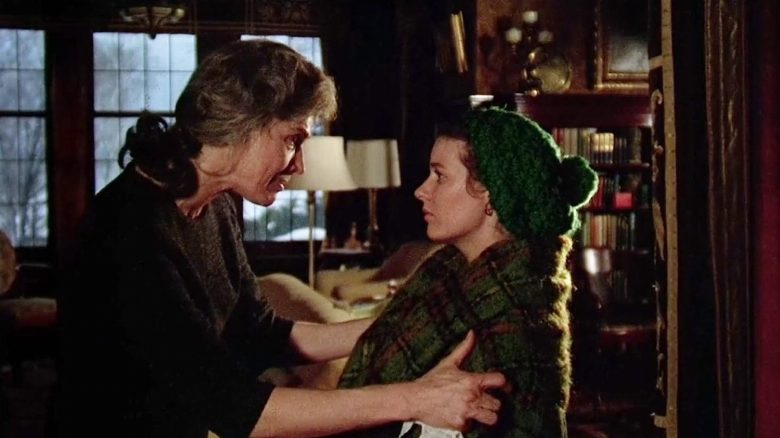
Francesca, a pregnant Los Angeles widow, journeys to her late husband's Minnesota hometown to finally meet his mother and family. After being met with icy acceptance from her mother-in-law, then getting stranded with her in a blizzard, Francesca begins to discover terrifying secrets about her husband's family.
Venturing into the snowy isolation of rural Minnesota, You Will Like My Mother captures a claustrophobic tension that feels surprisingly ahead of its time for a 1972 release. While the thriller genre often relies on external threats, director Lamont Johnson chooses to anchor this narrative in the psychological friction between two women trapped by geography and grief. The story follows a young woman who travels to visit her deceased spouse’s kin, only to find that the domestic warmth she seeks is replaced by a chilling atmosphere of hidden truths. It is a masterclass in building dread through silence and setting, utilizing the harsh winter landscape not just as a visual backdrop, but as a literal prison that forces the protagonist to confront the dark legacy of the man she married.
For audiences accustomed to the high-octane emotional beats of contemporary Indian cinema, this film offers a fascinating look at how Western thrillers handled the gothic horror aesthetic decades ago. Much like the tension-filled family dramas seen in modern Malayalam or Tamil suspense cinema, where the comfort of home is frequently subverted, this film thrives on the premise that the most dangerous secrets are kept behind closed doors. It eschews the supernatural tropes common to its era in favor of a grounded, character-driven narrative that explores the darker facets of maternal obsession and loss. The pacing is deliberate, demanding patience from the viewer, but it rewards that focus with a mounting sense of unease that lingers long after the credits roll.
This picture is perfectly suited for fans of psychological thrillers who appreciate a slow-burn approach over jump scares. It stands out in the vast library of seventies suspense films by focusing on the intimate power dynamics between its female leads, making it a precursor to the modern psychological horror genre. Lamont Johnson demonstrates a keen eye for framing the domestic space as a site of potential trauma, ensuring the audience feels the same mounting panic as the protagonist. Anyone interested in the evolution of the thriller genre or the history of independent American suspense will find this film to be a compelling case study in how to craft a terrifying experience using little more than a remote location and a sense of profound mistrust. It remains a stark reminder that sometimes the most unsettling stories are the ones that unfold within the sanctity of a family home.
Cast(9)