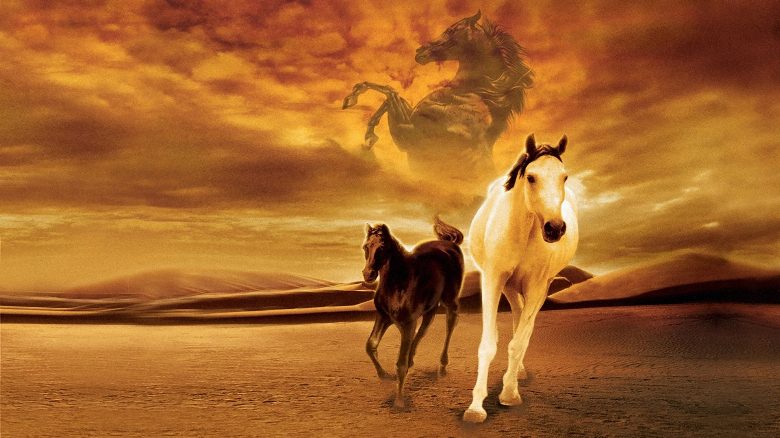

Young Black Stallion(2003)
About Young Black Stallion
When courageous young Neera becomes separated from her family in the desert, she chances upon a wild colt. Together they find friendship, trust, and their way back home only to discover her family is about to lose everything!
The vast and unforgiving landscapes of the Arabian desert serve as the backdrop for a poignant journey of survival and companionship in Young Black Stallion. While modern cinema often relies on heavy digital effects and fast-paced editing, this production opts for a more grounded, atmospheric approach that captures the raw beauty of its environment. The narrative focuses on the unlikely bond between a displaced girl and a spirited animal, tapping into the timeless cinematic tradition of human-animal connections that resonate across cultures. For audiences familiar with the emotionally rich storytelling found in regional Indian cinema, where the relationship between protagonists and nature often reflects internal character development, this film offers a similar sense of quiet, character-driven adventure.
The film distinguishes itself by prioritizing visual storytelling over dialogue, allowing the expansive scenery to dictate the pacing. It belongs to a specific era of family-oriented adventure dramas that sought to balance high-stakes peril with a sense of wonder. Viewers who appreciate the deliberate, emotive pacing seen in films from industries like Malayalam or Kannada cinema, which frequently celebrate the nuances of man and nature, will likely find this story particularly engaging. It is an exploration of resilience that avoids overly complex subplots, instead focusing on the fundamental necessity of trust when one is left to navigate the elements alone. The project acts as a bridge between classic adventure tropes and a more intimate portrayal of solitude, making it a suitable watch for families looking for a cinematic experience that values patience and observation.
Given the pedigree of the creative team involved, the film manages to elevate what could have been a simple rescue story into a more contemplative piece about finding one's strength in isolation. The performances are restrained, ensuring that the central dynamic remains the primary focus throughout the runtime. It is positioned as an ideal selection for those who enjoy character studies where the external journey mirrors an internal transformation. By stripping away unnecessary distractions, the film invites the audience to experience the harsh reality of the desert through the eyes of someone who has no choice but to adapt. It is a testament to the enduring appeal of stories that highlight how unexpected alliances can provide the courage needed to face insurmountable odds, especially when the stakes involve the survival of one's own kin.