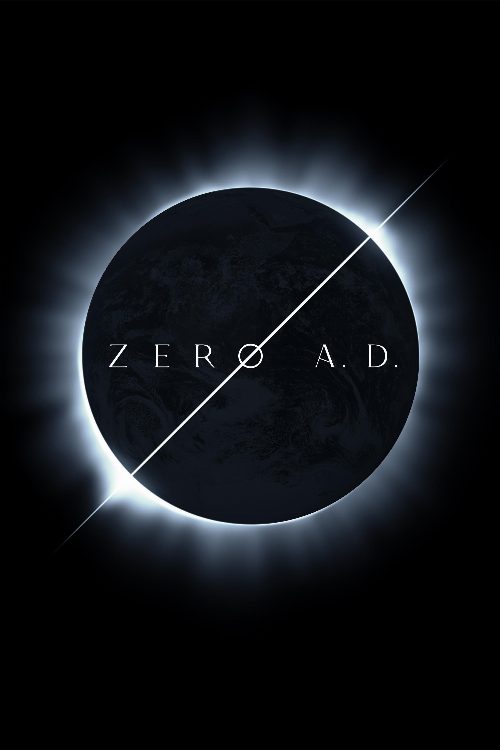
About Zero A.D.
A brutal ruler fears a prophecy and orders the death of a child—one who will change history.
The shadow of ancient prophecy looms large in Zero A.D., a historical drama that pivots away from traditional cinematic tropes to explore the terrifying intersection of absolute power and existential paranoia. By centering the narrative on the desperate measures of a paranoid monarch terrified by a whispered omen, the film taps into the timeless anxiety of regimes built on instability. It is a rare English-language production that feels spiritually aligned with the grand, mythic storytelling often found in the historical epics of the Indian film industry, where the weight of destiny and the clash between individual fate and societal upheaval are frequently explored with intense emotional gravity. Rather than relying solely on spectacle, the film positions itself as a character study of a ruler unraveling under the pressure of an impending legacy he cannot control.
The casting choices bring a distinct texture to this production, blending the rugged presence of Sam Worthington with the nuanced, often unpredictable intensity of Ben Mendelsohn. Their involvement suggests a project that prioritizes performance-driven tension over mere action sequences. For audiences who appreciate the slow-burn intensity of period pieces or the philosophical stakes found in high-concept dramas, this film offers a sophisticated exploration of how fear dictates the trajectory of history. The inclusion of talents like Gael Garcia Bernal and Jim Caviezel reinforces the international scope of the project, grounding the narrative in a global perspective that transcends typical genre boundaries. It is precisely this ensemble strength that allows the film to examine the moral decay inherent in authoritarian rule without losing sight of the human cost associated with such cold-blooded ambition.
Viewers who enjoy cinema that interrogates the darker corners of human nature will likely find this project compelling. It is positioned as a thought-provoking piece for those who gravitate toward stories about the fragility of power and the cyclical nature of historical events. While it operates within a specific period setting, the thematic core remains strikingly relevant to modern political discourse, echoing the way contemporary films often use historical frameworks to comment on current uncertainties. By focusing on the frantic response of a tyrant to a perceived threat against his throne, the film avoids the trap of becoming a dry history lesson, instead opting for a visceral, high-stakes approach that should resonate with fans of character-focused dramas. It stands as a notable entry in the upcoming 2026 slate, promising a level of narrative depth that is increasingly rare in mainstream historical storytelling.
Cast(13)