About 爱是愤怒
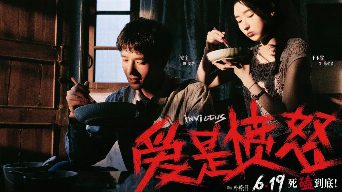
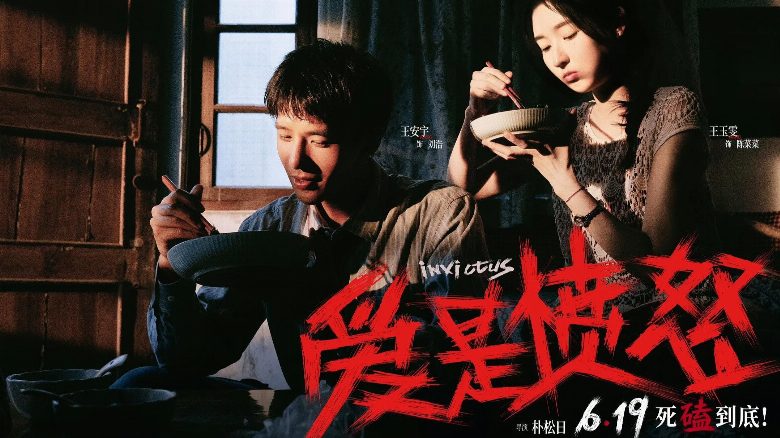
In both work and life, Liu Hao had always been the one looked down upon. That is, until he met Cai Cai—two young souls who fell deeply in love. Just as they were brimming with confidence, ready to embark on a bright future, a sudden accident overturned their lives completely. Faced with a cruel world and a humiliating existence, they chose divergent paths of resistance...
The landscape of contemporary Chinese crime cinema often balances on the razor edge between stark social realism and visceral emotional stakes, a tension that Ai Shi Fen Nu skillfully exploits to keep its audience off-balance. Director Piao Songri crafts a narrative that begins as a tender exploration of two marginalized individuals finding solace in one another before violently pivoting into a darker, more nihilistic exploration of justice and vengeance. By grounding the early portions of the story in the quiet desperation of daily survival, the film establishes an intimate bond between the protagonists that makes the subsequent fracture in their lives feel profoundly personal rather than merely plot-driven. It is a bold stylistic choice that separates this project from the more formulaic thrillers currently saturating the streaming market, opting instead for a character-first approach that forces the viewer to reconcile the protagonists' desperate choices with their understandable grievances against an indifferent society.
The casting of Pan Binlong and Ma Sichun provides a compelling anchor for this volatile emotional journey, as both performers manage to convey the weight of systemic neglect without resorting to caricature. Their chemistry is the engine of the film, transforming a premise that could have easily devolved into a standard revenge procedural into a nuanced study of how trauma forces individuals to sacrifice their moral compass in the name of self-preservation. Given the current trend in Asian cinema toward exploring the fissures within the modern working class, this film finds itself in conversation with recent gritty dramas that challenge the audience to empathize with characters who are pushed to the brink of criminality. The narrative architecture suggests that the director is interested in the ripple effects of a single catastrophe, showing how a fleeting moment of bad luck can dismantle the fragile stability of a couple attempting to escape their station in life.
Viewers who appreciate slow-burn narratives that prioritize psychological depth over excessive action sequences will find much to admire here. The cinematography emphasizes the claustrophobic nature of the protagonists' environment, using shadow and scale to mirror their internal descent into a world where conventional rules no longer apply. While the film is certainly not for those seeking a lighthearted romantic escape, it serves as a potent entry for anyone fascinated by the intersection of love and desperation. By resisting the urge to offer easy answers about the morality of the characters, Piao Songri has curated an experience that lingers in the mind, prompting difficult questions about how far one might go when the systems meant to protect them fail entirely. It is a sobering, expertly paced work that marks a significant step forward for everyone involved in its production.