About Man of Iron
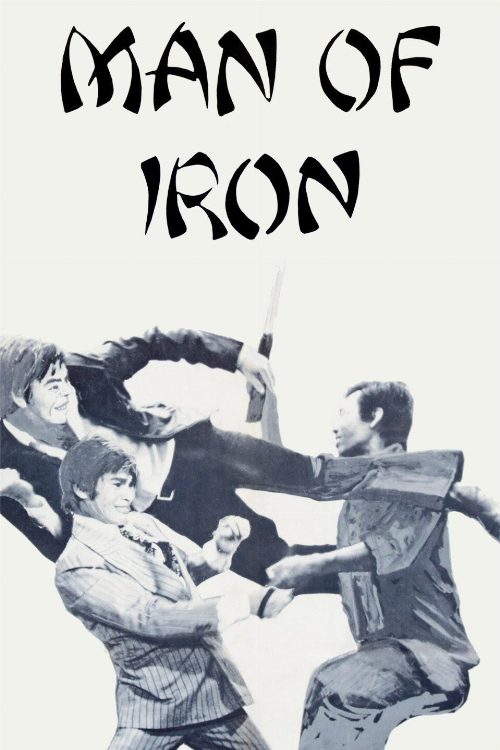
Man of Iron was positioned as something of a follow-up to Boxer From Shantung, the rise-and-fall story of Ma Yung Chen and it reunites the directors and some of the cast in a similar but much slighter tale of a lesser gangster's rise and fall in Shanghai. While the opening narration specifically recalls the events and tragic conclusion of BOXER, this one is set 20 years later in the same section of Shanghai but otherwise has nothing to do with the events or characters of the previous film.
Tracing the evolution of the Shanghai underworld through the lens of early seventies cinema reveals a fascinating preoccupation with the cycle of ambition and inevitable ruin. Man of Iron emerges from a period when the Shaw Brothers studio was aggressively refining the aesthetics of the martial arts crime drama, moving away from pure fantasy toward a gritty, period-specific realism. While it shares the DNA of the era's most celebrated gangster sagas, this production carves out its own identity by focusing on the cyclical nature of power in a city defined by its volatility. For audiences accustomed to the sweeping narratives of modern Indian cinema, where the rise of an underdog is often punctuated by grandiose musical numbers and stylized heroism, this film offers a starker, more grounded contrast. It serves as a reminder of how international genre filmmaking once prioritized a lean, unsentimental approach to the tragic trajectory of a street-level criminal.
The film serves as an intriguing footnote for fans of action choreography, particularly given the involvement of Yuen Woo-Ping and his family, who would later become legends of global cinema. Watching these performers before they reached their worldwide zenith provides a unique perspective on the foundational techniques that would eventually define the look of high-octane combat on screen. The narrative operates within a specific regional history, echoing the atmospheric tension found in the best of the golden age of Hong Kong storytelling. It is positioned as an exercise in atmosphere and character study rather than a sprawling epic, making it an ideal watch for those who appreciate the lean, mean sensibilities of seventies crime cinema. It captures a specific moment in time when the industry was transitioning toward a more sophisticated grasp of screen violence and narrative pacing.
Viewers who enjoy the rise and fall tropes common in contemporary thrillers will find much to admire in the film's commitment to its dark, inevitable progression. It does not shy away from the harsh realities of its setting, choosing instead to lean into the claustrophobic pressures of a city that consumes its own inhabitants. By focusing on a character operating in the shadows of larger historical events, the film invites the audience to consider the personal cost of navigating a corrupt system. It is a quintessential piece for students of cinema history who want to see the building blocks of the action genre in their raw, nascent state. The film succeeds by remaining focused on its core theme, providing a tight, engaging experience that avoids unnecessary fluff while delivering the visceral intensity that defined its period.
Cast(80)

















Crew
Director of Photography
Art Direction
Editor
Original Music Composer
Director
Writer
Producer
Costume Design
Similar Films