About 喜欢上“欠欠”的你
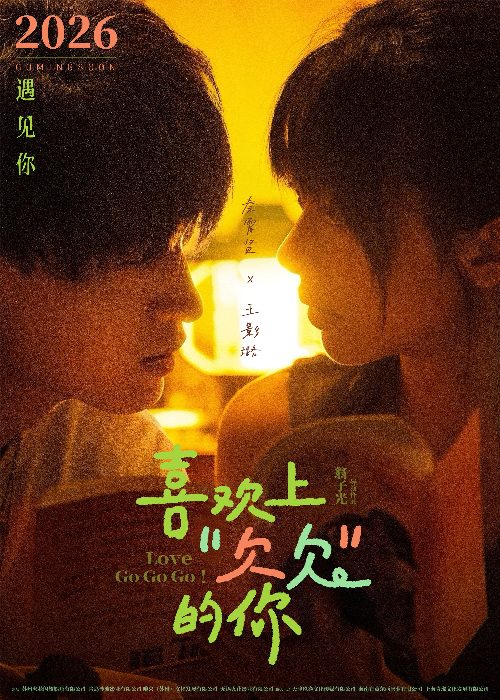
The cinematic landscape of 2026 welcomes a refreshing shift toward character-driven romantic comedies with the release of 喜欢上“欠欠”的你. Directed by Philip Yung Chi-Kwong, a filmmaker celebrated for his keen eye on human fragility and unconventional emotional arcs, this project marks a departure from his darker, grittier explorations of urban isolation. By casting Qin Xiaoxian alongside Wang Yinglu, the film leans into the magnetic pull of mismatched personalities, centering on the delicate balance between comedic irritation and genuine intimacy. The narrative avoids the typical polish of studio-backed romances, opting instead for a grounded, slightly messy look at how two distinct souls navigate the friction of a growing connection in a modern setting that feels both relatable and lived-in.
Within the broader scope of contemporary Chinese-language cinema, this feature arrives at a moment when audiences are increasingly craving stories that prioritize authentic chemistry over high-concept spectacle. While the industry has seen a deluge of glossy blockbusters, 喜欢上“欠欠”的你 distinguishes itself by focusing on the specific charm of the protagonist, whose penchant for being intentionally difficult serves as the primary catalyst for both the humor and the heart of the story. The inclusion of seasoned performers like Hai Qing and Chen Minghao adds a layer of narrative depth, grounding the whimsical central romance in a world of recognizable social stakes. For viewers who have followed Philip Yung Chi-Kwong through his previous works, this film showcases his versatility, proving that he can handle the lightness of a romantic comedy with the same technical precision he brings to more intense dramas.
This production is tailor-made for fans of character studies who appreciate subtle humor that stems from dialogue rather than slapstick gags. It feels like a perfect recommendation for those who enjoy the slow-burn evolution of relationships found in modern indie dramas, where the excitement lies in the micro-expressions and the unspoken tension between characters. By positioning the male lead as a figure who is famously frustrating, the film invites the audience to participate in the slow process of peeling back his defensive layers. It is a thoughtful exploration of how we define affection when it arrives wrapped in annoying habits and social awkwardness. Whether you are a regular devotee of the evolving Chinese film market or simply someone searching for a heartfelt, human-centric story, this film offers a grounded perspective on the inevitable messiness of falling in love.