A Comedy in Front of the Station: Manga(1966)
About A Comedy in Front of the Station: Manga
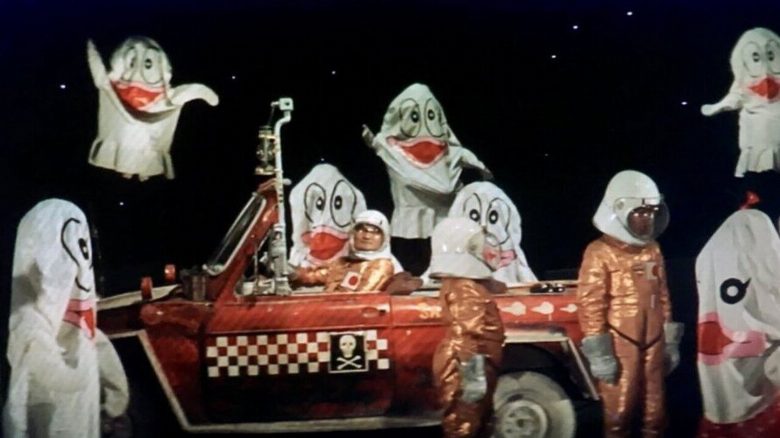
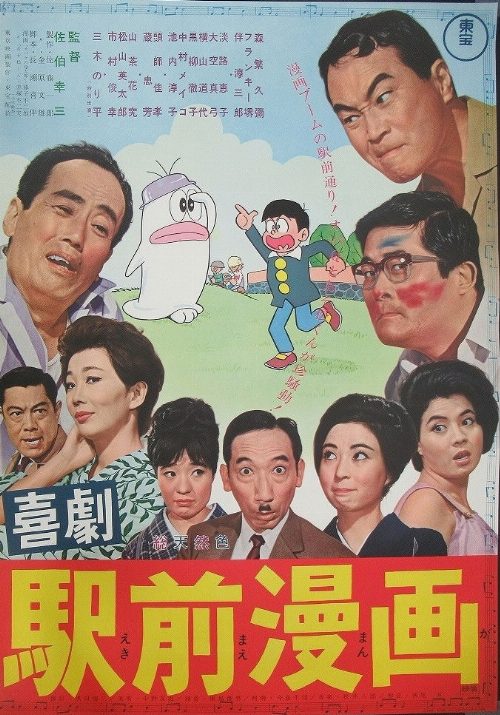
15th entry in the Ekimae series, surrounding the then-insanely popular Weekly Shounen Sunday series Osomatsu-kun and Obake no Q-Taro.
Stepping into the vibrant world of A Comedy in Front of the Station: Manga offers a fascinating window into the mid-sixties Japanese entertainment landscape, where the boundaries between live-action cinema and the burgeoning comic book industry began to blur in spectacular fashion. As the fifteenth installment in the long-running Ekimae series, this production occupies a unique space in film history, serving as a cultural time capsule that captures the frantic energy of post-war Tokyo. Rather than relying on standard narrative tropes, the film leans heavily into the meta-textual excitement surrounding the meteoric rise of weekly serialized graphic storytelling. For cinephiles who appreciate the intersection of pop culture and traditional screen comedy, this project stands out as a bold experiment in leveraging the massive popularity of household names like Osomatsu-kun and Obake no Q-Taro to draw audiences into theaters.
The film serves as a compelling bridge for viewers interested in how Japanese studios adapted to the shifting tastes of younger demographics who were increasingly obsessed with serialized humor. Much like the current trend in the Indian film industries, where cross-media intellectual properties are frequently adapted to capture the attention of diverse age groups, this vintage comedy showcases a savvy understanding of franchise synergy. It is not merely a film about a station; it is a celebration of the reading habits and comedic sensibilities that defined an entire generation. Those who enjoy lighthearted, ensemble-driven farces will find much to admire in the kinetic performances of Meiko Nakamura and Mayumi Ozora, whose timing anchors the chaotic, episodic nature of the narrative. The inclusion of figures like Tetsuko Kuroyanagi further elevates the production, grounding the zany premise in the recognizable charisma of celebrated performers of the era.
This feature is an essential watch for students of global cinema history who want to understand how the medium of animation and print comics influenced the pacing and tone of international comedies during the twentieth century. While modern viewers might be more familiar with the high-octane spectacle of contemporary regional Indian hits, there is a distinct pleasure in revisiting this specific Japanese approach to mass entertainment. It is a brisk, clever, and unmistakably nostalgic experience that highlights the universal appeal of slapstick and situational humor. By positioning itself as a companion piece to the literary giants of the weekly magazine world, the film manages to maintain a sense of urgency and joy that still resonates today, proving that the fascination with iconic characters is a phenomenon that transcends both borders and decades.
Cast(21)