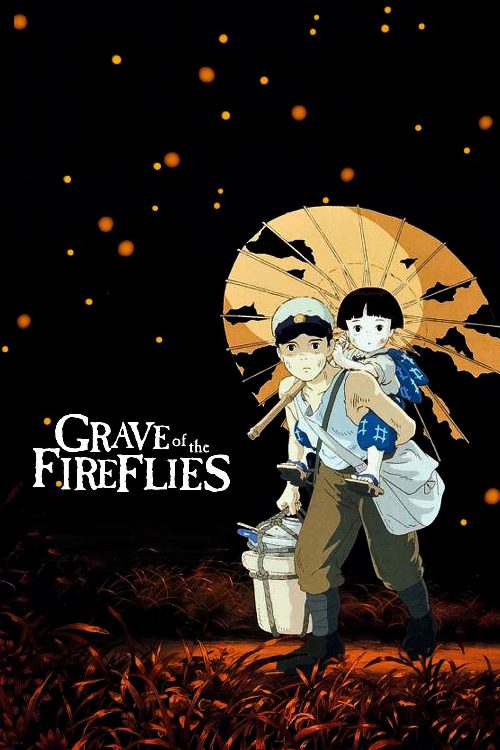
About Grave of the Fireflies
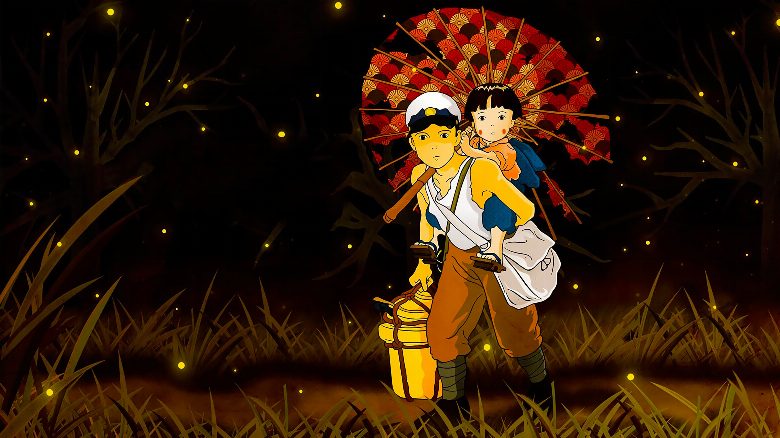
In the final months of World War II, 14-year-old Seita and his sister Setsuko are orphaned when their mother is killed during an air raid in Kobe, Japan. After a falling out with their aunt, they move into an abandoned bomb shelter. With no surviving relatives and their emergency rations depleted, Seita and Setsuko struggle to survive.
Few cinematic experiences demand as much emotional resilience as Isao Takahata’s 1988 masterpiece, a film that remains the gold standard for how animation can confront the devastating reality of conflict. While many war films focus on the grand strategies of generals or the adrenaline of the battlefield, this Studio Ghibli classic shifts the lens toward the quiet, crushing fragility of childhood innocence caught in the gears of history. The story follows two siblings, Seita and Setsuko, as they navigate the charred remnants of their home in Kobe. By stripping away the spectacle of traditional war narratives, the film forces the audience to witness the slow erosion of dignity and hope in a landscape defined by scarcity and indifference. It is a haunting exploration of familial duty and the harrowing choices forced upon those left behind when the world turns hostile.
Within the broader landscape of global cinema, including the emotionally charged storytelling often found in Indian dramas, this film stands apart for its refusal to offer a glimmer of easy consolation. Its cultural resonance is universal, though it speaks with a specific, somber Japanese voice that captures the trauma of the home front with unflinching precision. For viewers accustomed to the high-energy musical sequences or heroic arcs typical of Telugu or Hindi blockbusters, this film offers a stark, meditative counterpoint. It is not designed for casual consumption; rather, it is a piece of art that requires a patient audience ready to engage with themes of grief, survival, and the profound weight of memory. The animation style serves to heighten the tragedy, creating a surreal contrast between the delicate, flickering beauty of fireflies and the harsh, soot-stained reality of their surroundings.
Fans of poignant, character-driven narratives will find this a transformative watch that lingers in the consciousness long after the credits roll. The film is essential viewing for those who appreciate cinema that functions as a historical document of human endurance. While director Isao Takahata was often overshadowed by his colleague Hayao Miyazaki, this particular work solidified his reputation as a master of humanistic realism. By focusing on the intimate bond between a brother and sister, the movie transcends its specific historical setting to articulate a timeless lament for all displaced children. It serves as a reminder that the most profound casualties of war are often those whose stories are never told in history books, making it a vital addition to any serious film enthusiast’s watchlist.
Cast(18)